How to Choose the Perfect Inverter Split AC for Your Home
Are you tired of sweltering summer days and sleepless nights due to the unbearable heat? 🥵 It's time to invest in an inverter split AC that will keep you cool and comfortable all year round. But with so many options on the market, how do you choose the perfect one for your home?
Selecting the right inverter split AC can be overwhelming. From understanding the technology to comparing features and brands, the process can leave you feeling lost in a sea of technical jargon and conflicting advice. Don't worry – we've got you covered! In this comprehensive guide, we'll walk you through everything you need to know to make an informed decision and find the ideal cooling solution for your space.
Get ready to discover the ins and outs of inverter split AC technology, learn how to assess your cooling needs, and explore the key features that matter most. We'll also dive into budget considerations, top brands and models, installation tips, and essential maintenance advice. By the end of this article, you'll be equipped with the knowledge to choose an AC that not only keeps you cool but also saves energy and enhances your home comfort. Let's get started on your journey to the perfect inverter split AC! 💨❄️
Understanding Inverter Split AC Technology
Energy efficiency benefits
Inverter split ACs offer significant energy efficiency benefits compared to traditional air conditioners. These benefits include:
-
Lower electricity consumption
-
Reduced energy bills
-
Smaller carbon footprint
-
Consistent cooling performance
| Feature | Inverter AC | Traditional AC |
|---|---|---|
| Energy Efficiency | High | Moderate |
| Power Consumption | Variable | Fixed |
| Temperature Control | Precise | Fluctuating |
| Operating Costs | Lower | Higher |
How inverter technology works
Inverter technology in split ACs works by continuously adjusting the compressor speed to maintain the desired temperature. This process involves:
-
Adaptive cooling output
-
Minimal temperature fluctuations
The inverter system allows the AC to operate at partial load, consuming only the energy required to maintain comfort.
Comparison with traditional ACs
When comparing inverter split ACs to traditional models, several key differences emerge:
-
Energy consumption: Inverter ACs use 30-50% less energy
-
Temperature stability: Inverter ACs maintain a more consistent temperature
-
Noise levels: Inverter ACs operate more quietly due to variable compressor speeds
-
Lifespan: Inverter ACs often have a longer operational life due to reduced wear and tear
With these advantages in mind, let's now explore how to assess your specific cooling needs to choose the right inverter split AC for your home.
Assessing Your Cooling Needs
Calculating room size and capacity requirements
To choose the perfect inverter split AC, start by accurately measuring your room's dimensions. Use this simple formula to calculate the required AC capacity:
Room Area (sq ft) x 25 = AC Capacity (BTU/hr)
For example:
| Room Size (sq ft) | Recommended AC Capacity (BTU/hr) |
|---|---|
| 100-150 | 5,000 |
| 150-250 | 6,000 |
| 250-350 | 8,000 |
| 350-450 | 10,000 |
Remember, these are general guidelines. Factors like ceiling height and room layout may affect your needs.
Considering climate and insulation factors
Your local climate plays a crucial role in AC selection. Consider these factors:
-
Average summer temperatures
Homes in hotter climates or with poor insulation may need higher capacity ACs. Conversely, well-insulated homes in milder climates can opt for lower capacity units.
Evaluating usage patterns and occupancy
Your AC needs also depend on how you use the space:
-
Number of occupants
-
Time spent in the room
For instance, a bedroom used mainly at night might require less cooling than a living room used throughout the day. Similarly, a kitchen with multiple appliances may need a higher capacity AC compared to a similarly sized bedroom.
Now that you've assessed your cooling needs, let's explore the key features to look for in an inverter split AC.
Key Features to Look For
Star ratings and energy efficiency
When choosing an inverter split AC, energy efficiency should be a top priority. The Bureau of Energy Efficiency (BEE) star rating system provides a quick way to assess an AC's energy efficiency. Higher star ratings indicate better efficiency and lower electricity consumption.
| Star Rating | Energy Efficiency |
|---|---|
| 1-2 Stars | Low |
| 3 Stars | Average |
| 4-5 Stars | High |
Opt for ACs with 4 or 5-star ratings to maximize energy savings and reduce your carbon footprint.
Cooling capacity and tonnage
Selecting the right cooling capacity is crucial for optimal performance. Tonnage refers to the AC's cooling power, with 1 ton equaling 12,000 BTU/hour. Consider these factors when determining the appropriate tonnage:
-
Room size
-
Ceiling height
-
Number of occupants
-
Heat-generating appliances
-
Sun exposure
For most Indian homes, 1 to 1.5-ton ACs are suitable for bedrooms, while 1.5 to 2-ton units work well for larger living areas.
Noise levels and silent operation
A quiet AC ensures a peaceful environment. Look for models with low decibel ratings, typically between 20-30 dB for indoor units. Some features that contribute to silent operation include:
Air purification and filtration systems
Modern inverter split ACs often come equipped with advanced air purification technologies. These systems help remove:
-
Dust particles
-
Allergens
-
Bacteria
-
Odors
Look for ACs with multi-stage filtration, including HEPA filters and activated carbon filters for the best air quality.
Smart connectivity options
Now that we've covered the essential features, let's explore smart connectivity options. Many inverter split ACs now offer Wi-Fi connectivity and smartphone app control. These features allow you to:
-
Set schedules and timers
-
Monitor energy consumption
-
Receive maintenance alerts
Consider these smart features for added convenience and energy management.
Budget Considerations

Initial purchase costs
When considering the budget for your inverter split AC, it's crucial to understand the initial purchase costs. These upfront expenses can vary significantly based on factors such as brand, capacity, and features. To help you make an informed decision, here's a comparison of typical price ranges for different AC capacities:
| Capacity (Tons) | Price Range (USD) |
|---|---|
| 1.0 | 300 - 600 |
| 1.5 | 400 - 800 |
| 2.0 | 500 - 1000 |
| 3.0 | 700 - 1500 |
Keep in mind that higher-end models with advanced features may cost more, but they often offer better energy efficiency and performance in the long run.
Long-term energy savings
Inverter split ACs are known for their energy efficiency, which translates to significant long-term savings. Consider the following benefits:
-
Reduced electricity consumption
-
Lower monthly utility bills
-
Potential rebates or tax incentives for energy-efficient appliances
To maximize your savings, look for models with high energy efficiency ratings (EER) and ENERGY STAR certification.
Installation and maintenance expenses
When budgeting for your inverter split AC, don't forget to factor in installation and maintenance costs:
-
Installation fees: These can range from $200 to $800, depending on the complexity of the installation and local labor rates.
-
Regular maintenance: Annual servicing costs typically range from $50 to $150.
-
Replacement parts: Budget for potential part replacements over the AC's lifespan.
By considering these long-term expenses alongside the initial purchase cost, you can make a more accurate assessment of the total investment required for your new inverter split AC. This comprehensive approach will help you choose a unit that balances upfront affordability with long-term value and efficiency.
Top Brands and Models
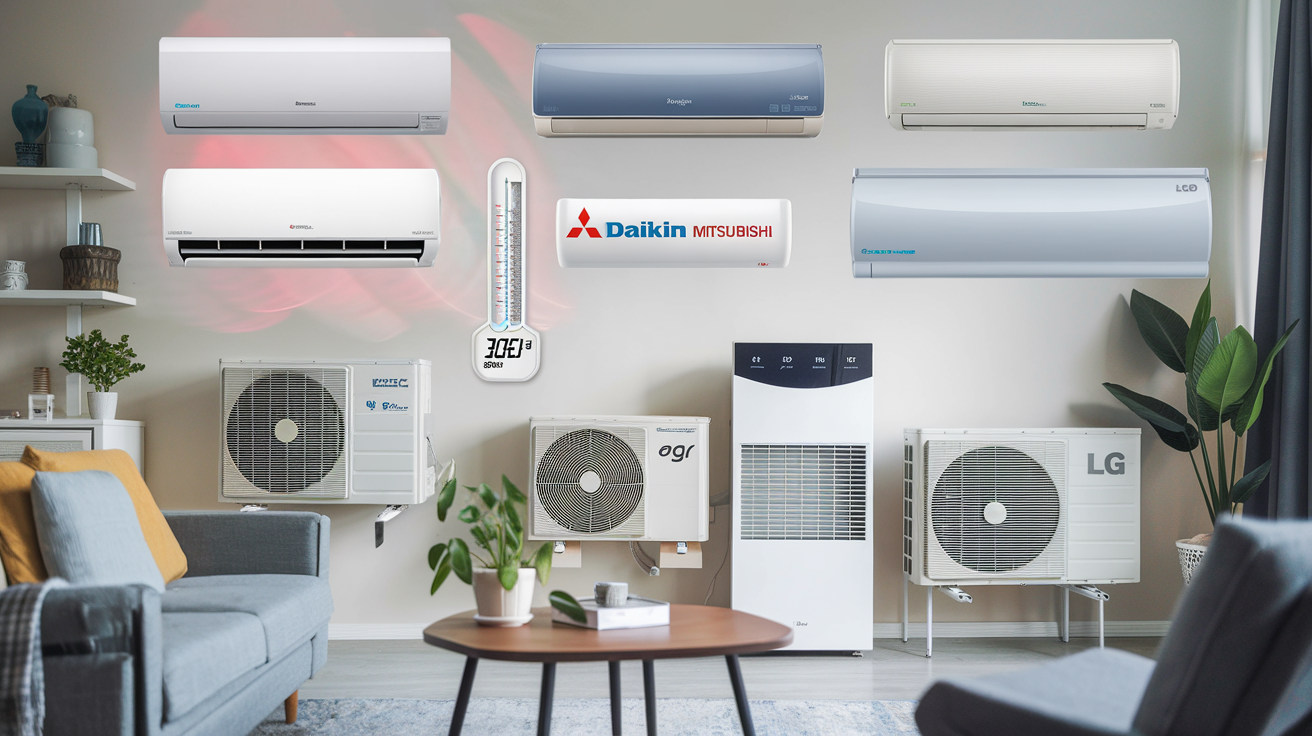
Researching reliable manufacturers
When it comes to choosing an inverter split AC, selecting a reputable manufacturer is crucial. Here's a list of factors to consider when researching brands:
-
Energy efficiency ratings
-
Customer satisfaction scores
| Brand | Market Presence | Energy Efficiency | Customer Satisfaction |
|---|---|---|---|
| Daikin | Global leader | 5-star rating | 4.5/5 |
| Mitsubishi | Established presence | 4-star rating | 4.3/5 |
| LG | Diverse product range | 5-star rating | 4.4/5 |
| Carrier | Long-standing reputation | 4-star rating | 4.2/5 |
Reading customer reviews and ratings
Customer feedback provides valuable insights into real-world performance. When evaluating reviews:
-
Look for patterns in positive and negative comments
-
Pay attention to long-term user experiences
-
Consider the specific models being reviewed
-
Check multiple review platforms for a balanced perspective
Comparing warranties and after-sales service
A comprehensive warranty and reliable after-sales service can make a significant difference in your AC ownership experience. Key aspects to compare include:
-
Parts and labor inclusion
-
Availability of extended warranty options
-
Availability of spare parts
-
Customer support channels (phone, email, chat)
Now that we've covered the top brands and models, let's move on to the crucial aspects of installation and placement to ensure optimal performance of your chosen inverter split AC.
Installation and Placement

Choosing the optimal location
When installing your inverter split AC, selecting the right location is crucial for optimal performance and energy efficiency. Consider the following factors:
-
Room size and shape
-
Sun exposure
-
Heat-generating appliances
-
Obstacle-free airflow
Here's a quick guide to help you choose the best spot:
| Location | Pros | Cons |
|---|---|---|
| High on the wall | Better air distribution | More difficult installation |
| Near the ceiling | Cooler air sinks naturally | May require longer piping |
| Away from direct sunlight | Prevents overworking | Limited placement options |
| Central location | Even cooling | Might not suit room layout |
Professional vs. DIY installation
While DIY installation might seem cost-effective, professional installation offers several advantages:
-
Expertise in handling refrigerants
-
Proper electrical connections
-
Warranty protection
-
Time and effort savings
However, if you're handy and confident, DIY installation can be an option. Just ensure you:
-
Follow manufacturer guidelines
-
Use appropriate tools
-
Understand local building codes
Ensuring proper ventilation and airflow
Proper ventilation is essential for your AC's efficiency and your home's air quality. Consider these tips:
-
Keep outdoor unit unobstructed
-
Maintain at least 12 inches of clearance around the indoor unit
-
Avoid placing the unit near heat sources
-
Ensure the condensate drain is properly installed
Remember, correct installation and placement not only maximize your AC's performance but also contribute to its longevity and your comfort. If you're unsure about any aspect of the installation process, it's always best to consult with a professional HVAC technician.
Maintenance and Care

Regular cleaning routines
To ensure optimal performance and longevity of your inverter split AC, establish a regular cleaning routine. Here's a simple schedule to follow:
-
Weekly tasks:
-
Dust the outdoor unit
-
Wipe down the indoor unit's exterior
-
Clean the air filters
-
-
Monthly tasks:
-
Clean the condenser coils
-
Check and clean the drain pipe
-
-
Quarterly tasks:
-
Deep clean the indoor unit
-
Inspect and clean the fan blades
-
| Task | Frequency | Tools Needed |
|---|---|---|
| Air filter cleaning | Weekly | Vacuum cleaner, soft brush |
| Coil cleaning | Monthly | Coil cleaner, soft brush |
| Drain pipe cleaning | Monthly | Pipe cleaner, vinegar solution |
Filter replacement schedule
Regularly replacing your AC filters is crucial for maintaining air quality and system efficiency. Follow this general guideline:
-
Standard filters: Replace every 1-3 months
-
HEPA filters: Replace every 6-12 months
-
Activated carbon filters: Replace every 3-6 months
Professional servicing recommendations
While regular maintenance can be done at home, professional servicing is essential for optimal performance:
-
Schedule annual maintenance checks before the peak cooling season
-
Have a professional technician:
-
Check refrigerant levels
-
Inspect electrical connections
-
Clean internal components
-
Lubricate moving parts
-
Remember, proper maintenance not only extends the life of your inverter split AC but also ensures energy efficiency and better air quality in your home. With these care routines in place, you'll enjoy cool, comfortable air for years to come.

Selecting the ideal inverter split AC for your home involves careful consideration of various factors. From understanding the technology and assessing your cooling needs to evaluating key features and budget constraints, each step plays a crucial role in making an informed decision. Remember to explore top brands and models, and factor in installation requirements and long-term maintenance needs.
By following the guidelines outlined in this post, you can confidently choose an inverter split AC that not only meets your cooling requirements but also enhances your home's comfort and energy efficiency. Take the time to research, compare options, and consult with professionals if needed. Your perfect AC awaits – one that balances performance, efficiency, and cost-effectiveness for years of cool comfort.



0 Comments