Tech Gadgets for Mental Wellness & Relaxation
Mental health tech gadgets are changing how we handle stress, anxiety, and daily wellness challenges. If you're someone juggling work pressure, dealing with anxiety, or simply wanting better sleep and mood balance, today's technology offers practical solutions that actually work.
This guide is perfect for busy professionals, students, parents, and anyone looking to improve their mental wellbeing using smart technology. You don't need to be tech-savvy—these tools are designed to make your life easier, not more complicated.
We'll explore wearable devices for anxiety that track your stress levels and guide breathing exercises throughout your day. You'll discover how smart lighting for mood can naturally boost your energy and help you wind down at night. We'll also cover the best meditation gadgets and stress relief technology that turn your phone or home into a personal wellness center, plus environmental control tools that create the perfect mental space for relaxation and focus.
These aren't just fancy gadgets—they're practical anxiety management tools that fit into your real life and daily routine.
Wearable Devices That Track and Improve Mental Health

Smartwatches with Stress Monitoring and Breathing Reminders
Modern smartwatches have transformed into sophisticated mental health tech gadgets that actively monitor stress levels throughout the day. The Apple Watch Series and Samsung Galaxy Watch lineup feature advanced stress detection through heart rate variability measurements, skin temperature changes, and movement patterns. When these devices detect elevated stress, they automatically prompt users with breathing exercises or mindfulness reminders.
The stress monitoring works by analyzing subtle changes in your heart rhythm. When stress hits, your heart doesn't beat at perfectly regular intervals—this variation provides valuable data about your mental state. Popular models like the Fitbit Sense and Garmin Vivosmart series offer real-time stress scores, helping you identify triggers before they escalate into full-blown anxiety episodes.
Breathing reminder features have become game-changers for managing daily stress. These wearable devices for anxiety vibrate gently on your wrist, guiding you through 4-7-8 breathing patterns or box breathing techniques. The visual feedback on the watch face helps maintain proper rhythm, making it easier to practice deep breathing even during busy workdays.
Fitness Trackers That Measure Heart Rate Variability for Anxiety Management
Heart Rate Variability (HRV) tracking represents a breakthrough in anxiety management tools. Unlike basic heart rate monitoring, HRV measures the tiny variations between heartbeats, providing insights into your nervous system's balance. Higher HRV typically indicates better stress resilience, while lower readings suggest your body is struggling with stress or fatigue.
The WHOOP Strap and Oura Ring excel at continuous HRV monitoring, collecting data 24/7 to build personalized baselines. These devices learn your unique patterns and alert you when your HRV drops significantly, often before you consciously feel stressed or anxious. This early warning system allows for proactive interventions like meditation, light exercise, or breathing techniques.
Professional athletes have used HRV data for years to optimize training and recovery. Now, this same technology helps everyday users manage anxiety more effectively. The data reveals how different activities, sleep patterns, and lifestyle choices impact your stress resilience, enabling you to make informed decisions about your daily routine.
Sleep Tracking Devices That Optimize Rest for Better Mood Regulation
Quality sleep directly impacts mental health, making sleep tracking devices essential tools for mood regulation. Advanced trackers like the Fitbit Charge series and Amazfit watches monitor sleep stages, detecting light sleep, deep sleep, and REM cycles throughout the night. This detailed analysis helps identify sleep disruptions that contribute to anxiety and depression.
Smart sleep trackers provide actionable insights beyond basic duration tracking. They measure sleep efficiency, track how often you wake during the night, and monitor heart rate patterns during rest. The ResMed S+ and Withings Sleep Analyzer create comprehensive sleep reports, highlighting connections between sleep quality and next-day mood.
Sleep optimization features include smart alarms that wake you during lighter sleep phases, reducing morning grogginess and improving overall mood. Some devices integrate with bedroom environment controls, automatically adjusting temperature and lighting to promote better rest. The data helps establish consistent sleep schedules, which research shows dramatically improves mental health outcomes.
Meditation-Focused Wearables with Guided Mindfulness Sessions
Specialized meditation gadgets bring mindfulness practice directly to your wrist, making it easier to maintain consistent habits. The Muse headband and Spire Stone tracker focus exclusively on meditation and breathing awareness, offering real-time feedback during practice sessions. These devices detect subtle changes in body position, breathing patterns, and even brain activity.
Meditation wearables provide guided sessions ranging from 3-minute breathing exercises to 30-minute deep meditation experiences. The haptic feedback—gentle vibrations or audio cues—helps maintain focus and alerts you when your mind wanders. Popular models store hundreds of guided sessions from renowned meditation teachers, eliminating the need for smartphone apps during practice.
Mindfulness technology in wearables extends beyond formal meditation sessions. Devices like the Leaf Urban and Bellabeat Leaf track daily mindfulness moments, encouraging brief awareness breaks throughout busy days. Some models include gratitude journaling prompts, stress-relief vibrations during overwhelming moments, and progress tracking that shows how consistent practice improves overall mental wellness over time.
The combination of convenience and personalization makes these wearables particularly effective for building sustainable meditation habits, turning relaxation tech products into daily wellness companions.
Smart Lighting Solutions for Mood Enhancement
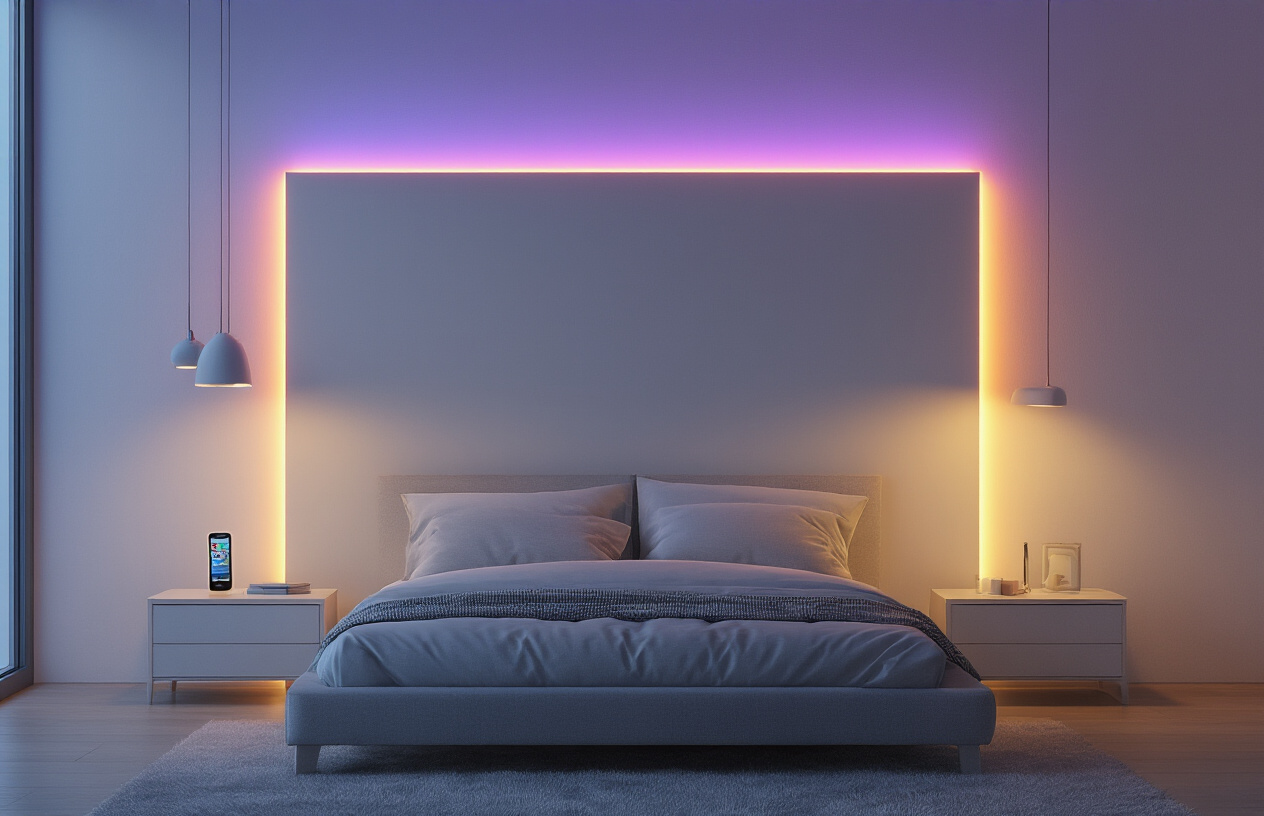
Circadian rhythm lights that regulate sleep-wake cycles naturally
Your body's internal clock runs on a 24-hour cycle that responds directly to light exposure. Circadian rhythm lights work by mimicking natural sunlight patterns throughout the day, helping reset your biological clock when it's thrown off balance. These smart lighting for mood systems automatically adjust brightness and color temperature from cool blue in the morning to warm amber in the evening.
Popular options include the Philips Hue line and LIFX bulbs that sync with your smartphone to gradually brighten your room like sunrise. The Casper Glow light creates a gentle wake-up experience that can reduce morning grogginess and improve your overall sleep quality. Many users report falling asleep faster and waking up more refreshed after just a few weeks of consistent use.
Research shows that exposure to bright light in the morning can advance your sleep phase, making you naturally tired earlier in the evening. These lights are particularly helpful for shift workers, frequent travelers dealing with jet lag, or anyone whose schedule conflicts with natural daylight hours.
Color-changing LED systems that boost energy and reduce depression
Color psychology plays a significant role in mental wellness, and modern LED systems tap into this science to create mood-boosting environments. Blue light increases alertness and cognitive function, making it perfect for morning routines or afternoon energy dips. Green light promotes balance and reduces eye strain during work sessions. Warm reds and oranges create cozy, relaxing atmospheres for evening wind-down.
Mental wellness apps often integrate with these lighting systems to create synchronized experiences. The Nanoleaf panels and Govee LED strips offer millions of color combinations that can match your mood or help shift your emotional state. Some systems even respond to music, creating dynamic light shows that enhance relaxation tech products like meditation sessions.
Studies indicate that people exposed to bright, cool light during the day show improved mood scores and reduced symptoms of depression. The key is timing - energizing colors during active hours and calming tones before sleep create the optimal balance for mental wellness.
Light therapy lamps for seasonal affective disorder relief
Winter months bring shorter days and less natural sunlight, triggering seasonal depression for millions of people. Light therapy lamps deliver concentrated doses of bright light (10,000 lux) that compensate for reduced sun exposure. These mental health tech gadgets are clinically proven to reduce SAD symptoms in 60-80% of users within one to two weeks.
The Verilux HappyLight and Theralite Aura provide full-spectrum light without harmful UV rays. Most therapy sessions last 20-30 minutes, typically done while reading, eating breakfast, or checking emails. The timing matters - morning sessions work best for most people, though some benefit from afternoon treatments.
Beyond seasonal depression, these lamps help with general mood disorders, sleep problems, and even jet lag recovery. Many models feature adjustable brightness levels and timers for personalized treatment. Some newer versions include dawn simulation features that gradually increase light intensity to wake you naturally.
| Light Therapy Lamp | Lux Output | Treatment Time | Special Features |
|---|---|---|---|
| Verilux HappyLight | 10,000 | 20-30 minutes | UV-free, adjustable brightness |
| Theralite Aura | 10,000 | 15-30 minutes | Mood tracking, timer |
| Philips goLITE BLU | 1,500 | 20-30 minutes | Portable, rechargeable |
Audio Technology for Stress Relief and Focus
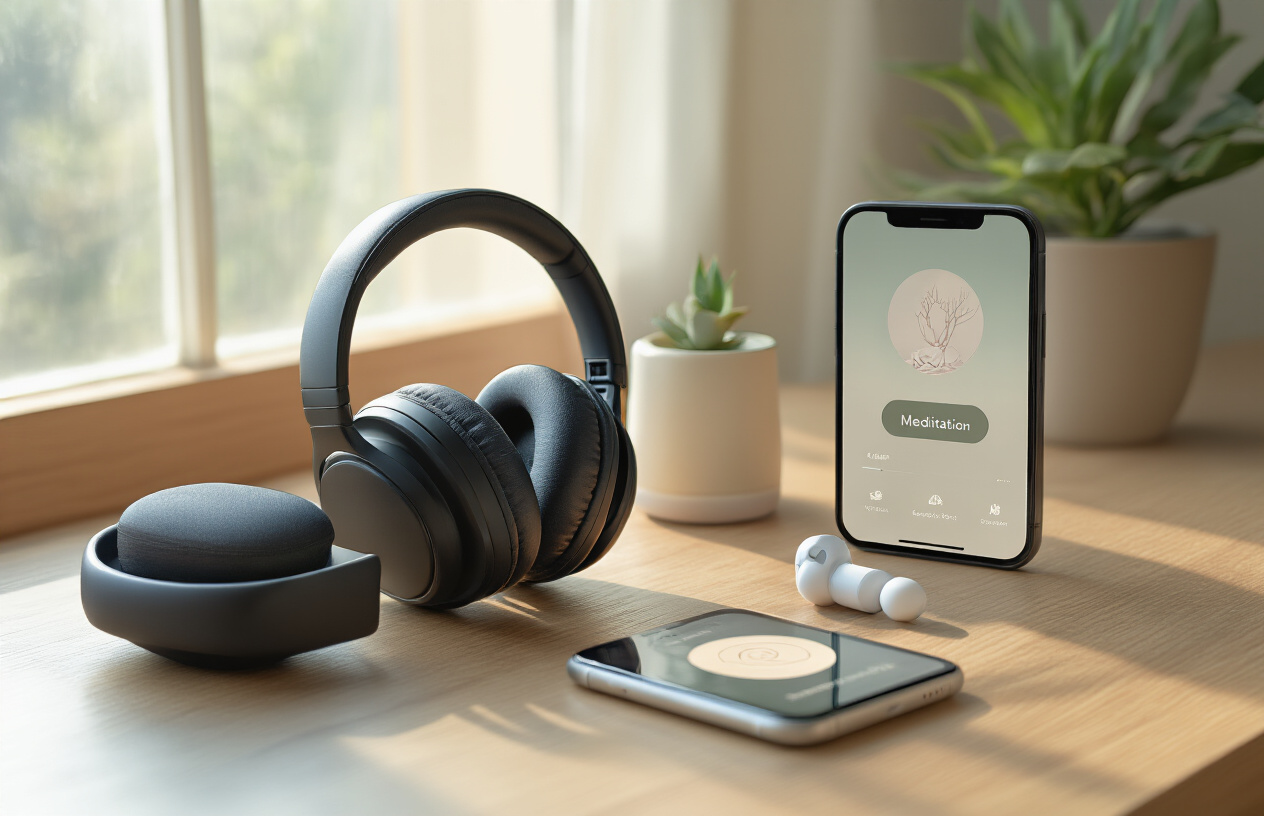
Noise-canceling headphones that create peaceful environments anywhere
Modern noise-canceling headphones have become essential stress relief technology for millions of people seeking instant mental escape. These devices use advanced algorithms to detect ambient sound waves and generate opposing frequencies, effectively creating a bubble of silence wherever you are. Top models like the Sony WH-1000XM5 and Bose QuietComfort series can reduce background noise by up to 95%, transforming noisy offices, bustling cafes, or cramped airplane cabins into personal sanctuaries.
The mental health benefits go far beyond simple noise reduction. When your brain doesn't have to constantly filter out distracting sounds, stress hormones like cortisol naturally decrease. Many users report feeling calmer within minutes of putting on quality noise-canceling headphones. Some models now include dedicated meditation gadgets features, with built-in guided sessions and breathing exercises designed specifically for the acoustic environment they create.
Battery life has improved dramatically, with premium models offering 30+ hours of active noise cancellation. Quick-charge features mean just 15 minutes of charging can provide several hours of peaceful listening. The investment typically ranges from $150 to $400, making them accessible mental wellness apps companions for most budgets.
Smart speakers with built-in meditation and white noise programs
Smart speakers have evolved into sophisticated mental health tech gadgets that respond to voice commands for instant stress relief. Amazon Echo devices, Google Nest speakers, and Apple HomePods now offer thousands of meditation programs, sleep stories, and ambient soundscapes. Simply saying "Alexa, help me relax" or "Hey Google, play rain sounds" activates customized wellness content.
These devices excel at creating consistent bedtime routines and anxiety management tools through scheduled programming. You can set automatic meditation sessions at specific times, gradually dimming smart lights while playing calming sounds. Many speakers now integrate with popular apps like Headspace, Calm, and Insight Timer, providing access to premium content through voice activation.
The hands-free operation proves particularly valuable during anxiety episodes when focusing on phone screens becomes difficult. Voice-controlled breathing exercises guide users through panic attacks, while nature soundscapes mask triggering noises from neighbors or traffic. Smart speakers also learn your preferences over time, suggesting content based on previous sessions and current mood indicators.
Binaural beats devices that promote deep relaxation states
Binaural beats represent cutting-edge relaxation tech products that use specific frequency differences between ears to influence brainwave patterns. When you hear 40Hz in one ear and 44Hz in the other, your brain naturally synchronizes to the 4Hz difference, promoting deep theta states associated with meditation and creativity. Dedicated devices like the Brain.fm headphones and specialized apps deliver precisely calibrated frequencies for different mental states.
Research shows binaural beats can reduce anxiety levels by up to 26% in just 15-minute sessions. The technology works by entraining neural oscillations, essentially training your brain to enter desired states more easily over time. Different frequency ranges target specific outcomes: delta waves (1-4Hz) for deep sleep, alpha waves (8-14Hz) for relaxed focus, and gamma waves (30-100Hz) for heightened awareness.
Modern binaural beats devices often combine multiple technologies, integrating light therapy, vibration patterns, and even aromatherapy diffusers. The Muse meditation headband adds real-time EEG feedback, showing exactly how your brain responds to different frequencies. While some people notice immediate effects, consistent use over 2-4 weeks typically produces the most significant mindfulness technology benefits.
Sound machines with nature sounds for anxiety reduction
Dedicated sound machines provide consistent, high-quality audio environments that smartphones and apps often can't match. Professional-grade devices like the Lectrofan and Marpac Dohm create authentic white, pink, and brown noise patterns that mask anxiety-triggering sounds while promoting mental calm. Unlike digital recordings that loop every few minutes, quality sound machines generate continuous, non-repeating audio that prevents the brain from detecting patterns.
Nature sound libraries have expanded beyond basic rain and ocean waves to include forest environments, thunderstorms, and even specific ecosystems like tropical rainforests or mountain streams. These sleep tracking devices often pair with smartphone apps that monitor sleep quality and automatically adjust volume and frequency content throughout the night. Some models include adaptive sound technology that increases volume when detecting disruptive noises, maintaining consistent masking without user intervention.
The portability of modern sound machines makes them valuable anxiety management tools for travel and temporary living situations. Compact models fit easily in carry-on luggage, providing familiar audio environments that reduce stress in unfamiliar hotels or apartments. Timer functions and gradual volume fading help establish healthy sleep boundaries, while USB charging capabilities ensure consistent operation without hunting for wall outlets.
Apps and Digital Platforms for Mental Wellness Support
AI-powered therapy chatbots for immediate emotional support
Modern mental wellness apps have revolutionized how we access emotional support through sophisticated AI-powered therapy chatbots. These digital companions provide 24/7 availability when traditional therapy isn't accessible, offering immediate responses during crisis moments or late-night anxiety spirals.
Leading platforms like Woebot, Wysa, and Replika use cognitive behavioral therapy (CBT) principles to guide conversations, helping users identify thought patterns and develop coping strategies. The AI learns from each interaction, adapting its responses to match your communication style and specific triggers.
What makes these chatbots particularly effective is their non-judgmental nature. Many users find it easier to open up about sensitive topics with an AI first, building confidence before transitioning to human therapy. The anonymity removes social barriers that often prevent people from seeking help.
Advanced chatbots now integrate mood tracking, sending personalized check-ins based on your emotional patterns. Some even connect with wearable devices to provide context-aware support when stress levels spike.
Meditation apps with personalized mindfulness programs
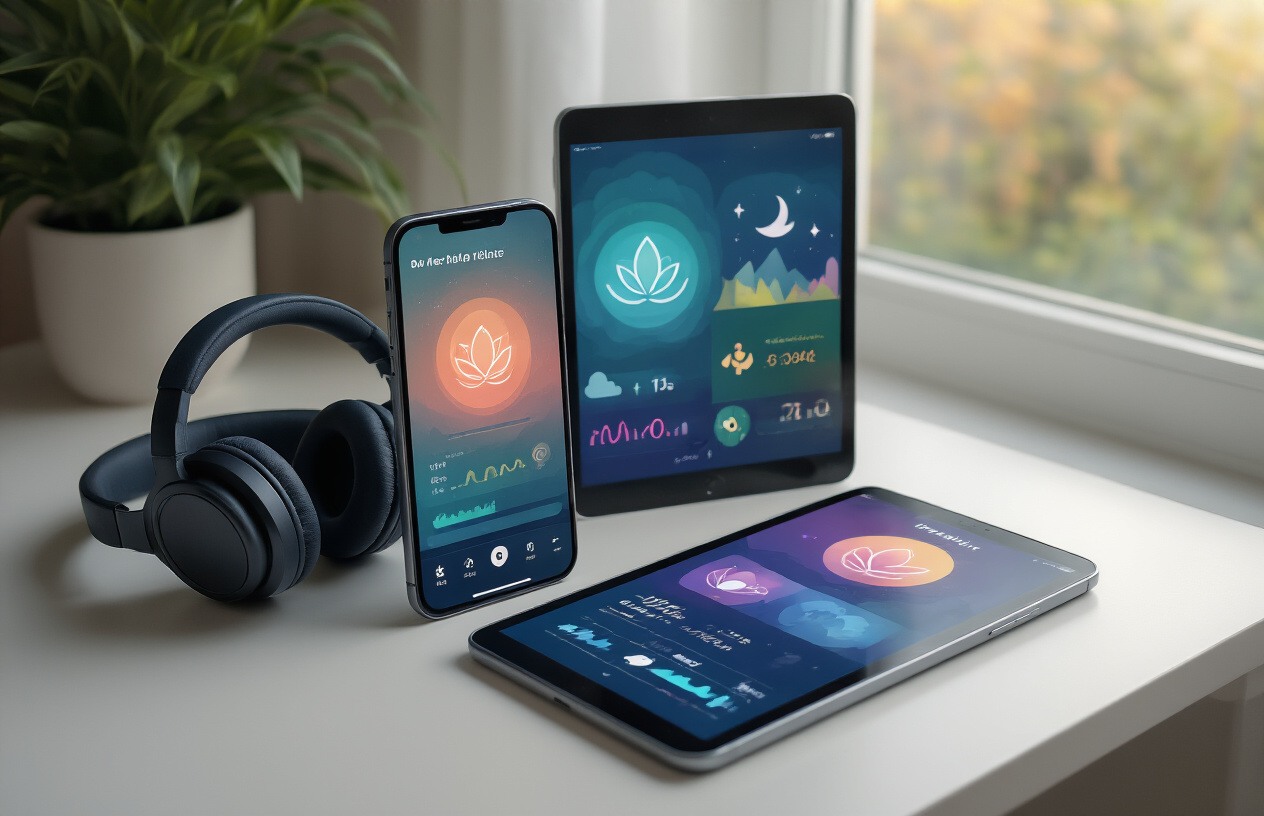
Mindfulness technology has evolved far beyond basic guided meditations, with apps like Headspace, Calm, and Insight Timer offering highly personalized experiences. These platforms analyze your meditation history, stress levels, and personal goals to create custom mindfulness programs.
Smart algorithms track which meditation styles work best for you - whether it's body scans, breathing exercises, or loving-kindness practices. The apps adjust session lengths, instructor voices, and content themes based on your preferences and progress.
Many apps now feature adaptive programs that respond to real-time data. If your sleep tracker shows restless nights, the app might suggest evening relaxation sessions. Poor focus during work? You'll receive notifications for brief mindfulness breaks.
The gamification elements keep users engaged through streak counters, achievement badges, and community challenges. Some apps integrate with smart speakers and wearables, creating seamless meditation experiences across devices.
Mood tracking applications that identify patterns and triggers
Digital mood tracking transforms emotional awareness from guesswork into data-driven insights. Apps like Daylio, Moodpath, and eMoods help users log daily emotions, activities, and environmental factors to reveal hidden patterns in mental health.
These anxiety management tools use machine learning to identify correlations between mood changes and various triggers - from weather patterns to social interactions. The visual dashboards display emotional trends over weeks or months, helping users spot warning signs before major mood episodes.
Advanced mood trackers incorporate multiple data sources: sleep quality, physical activity, medication adherence, and social media usage. This comprehensive approach provides a holistic view of factors affecting mental wellbeing.
The predictive capabilities of modern apps can forecast potential mood dips based on historical patterns, enabling proactive intervention. Some platforms share anonymized data with healthcare providers, supporting more informed treatment decisions during therapy sessions.
Virtual reality relaxation experiences for immersive stress relief
VR technology creates unprecedented opportunities for stress relief technology by transporting users to calming environments impossible to access physically. Apps like Guided Meditation VR, Tripp, and Nature Treks VR offer immersive experiences ranging from underwater coral reefs to mountain meadows.
The sensory immersion helps quiet racing minds more effectively than traditional meditation methods. Users can practice mindfulness while virtually sitting beside waterfalls, walking through forests, or floating in space. The 360-degree environments eliminate real-world distractions that often derail meditation attempts.
Biofeedback integration takes VR relaxation further by monitoring heart rate and breathing patterns, adjusting the virtual environment accordingly. When stress levels rise, the scene might shift to more soothing colors or sounds.
Therapeutic VR programs specifically target anxiety disorders, phobias, and PTSD through controlled exposure therapy. The safe virtual space allows gradual desensitization to triggers while maintaining complete control over the experience.
Sleep story apps that calm racing thoughts at bedtime
Bedtime anxiety and ruminating thoughts find relief through specialized mental wellness apps designed for sleep. Platforms like Calm, Headspace Sleep, and Sleep Stories transform bedtime routines with narrated stories specifically crafted to quiet overactive minds.
These aren't traditional stories with exciting plots. Instead, they feature deliberately boring or repetitive content designed to redirect attention away from worries. Popular formats include train journeys, nature documentaries, and historical narratives delivered in soothing, monotonous tones.
The apps use sleep science principles, incorporating elements like progressive muscle relaxation, breathing cues, and binaural beats. Many stories begin with guided body scans to release physical tension before transitioning into the narrative.
Personalization features learn which story types, narrator voices, and background sounds work best for individual users. Some apps integrate with smart home devices, gradually dimming lights and adjusting room temperature as the story progresses, creating optimal sleep environments.
Environmental Control Gadgets for Optimal Mental Space
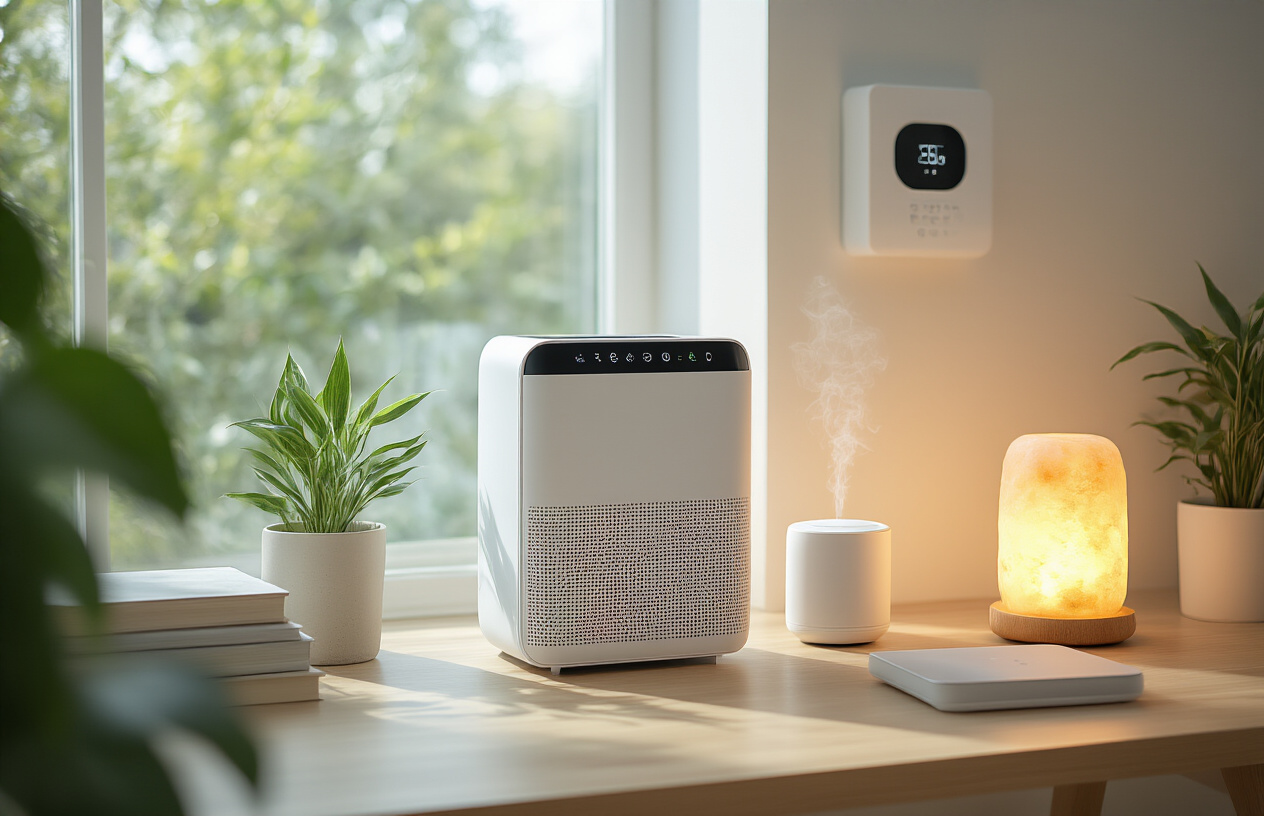
Smart air purifiers that improve cognitive function through better air quality
Poor indoor air quality directly impacts your brain's ability to function at its best. Smart air purifiers equipped with advanced filtration systems remove pollutants, allergens, and volatile organic compounds that can fog your thinking and drain your mental energy. These mental health tech gadgets monitor air quality in real-time, automatically adjusting filtration levels when particulate matter or chemical pollutants spike.
The Molekule Air Pro features PECO technology that destroys pollutants at the molecular level, while models like the Dyson Purifier Cool track and display air quality data through companion apps. Many users report improved focus, reduced brain fog, and better overall mood after installing smart purifiers in their workspaces and bedrooms.
Research shows that even small improvements in air quality can boost cognitive performance by 15-25%. Smart purifiers take the guesswork out of maintaining optimal air conditions by learning your daily routines and pre-filtering air before you enter spaces.
Temperature regulation devices for comfort-based mood stability
Your body's thermal comfort zone plays a massive role in emotional regulation and mental clarity. Smart thermostats like the Nest Learning Thermostat and Ecobee SmartThermostat create personalized temperature schedules that align with your circadian rhythms and daily activities.
These devices learn when you're most productive at cooler temperatures for focus work or when you prefer warmer settings during relaxation time. Room-specific climate control through smart vents and portable units like the Dyson Hot+Cool allows you to create thermal zones tailored to different mental states.
Temperature fluctuations trigger stress responses in your body, leading to mood swings and decreased concentration. Smart climate control maintains consistent, comfortable temperatures that support stable emotional states. Many models integrate with sleep tracking devices to automatically cool bedrooms for better rest and warm them gradually for easier morning wake-ups.
Essential oil diffusers with aromatherapy scheduling features
Smart essential oil diffusers transform aromatherapy from a manual ritual into an automated wellness tool. Devices like the ASAKUKI Smart WiFi Diffuser and Vitruvi Stone Diffuser connect to smartphone apps, allowing you to schedule specific scents for different times of day or activities.
Program energizing citrus blends for morning focus sessions, calming lavender for evening wind-downs, or peppermint for afternoon energy boosts. These relaxation tech products can sync with your calendar, automatically diffusing concentration-boosting scents before important meetings or stress relief technology blends after high-pressure periods.
Advanced models feature multiple oil chambers, letting you create custom scent combinations without manual mixing. Some integrate with sleep tracking data, releasing sleep-promoting aromatherapy blends when your device detects restless nights. Voice control compatibility with Alexa and Google Assistant makes it easy to adjust aromatherapy settings hands-free during meditation or work sessions.

The world of mental wellness technology has opened up incredible possibilities for supporting our emotional and psychological well-being right from our homes and pockets. From wearable devices that give us real-time insights into our stress levels to smart lighting that adapts to our natural rhythms, these gadgets are making mental health support more accessible than ever. Audio technology helps us find our zen through meditation and focus sessions, while digital platforms connect us with professional resources and community support whenever we need it.
Creating the perfect environment for mental wellness doesn't have to be complicated or expensive. Simple additions like air purifiers, white noise machines, or smart thermostats can transform your living space into a sanctuary that actively supports your mental health goals. The key is finding the right combination of tools that work for your lifestyle and budget. Start small with one or two devices that address your biggest stress points, and gradually build your personal wellness tech toolkit as you discover what helps you feel your best.



0 Comments