Track Your Sleep with These Tech Tools
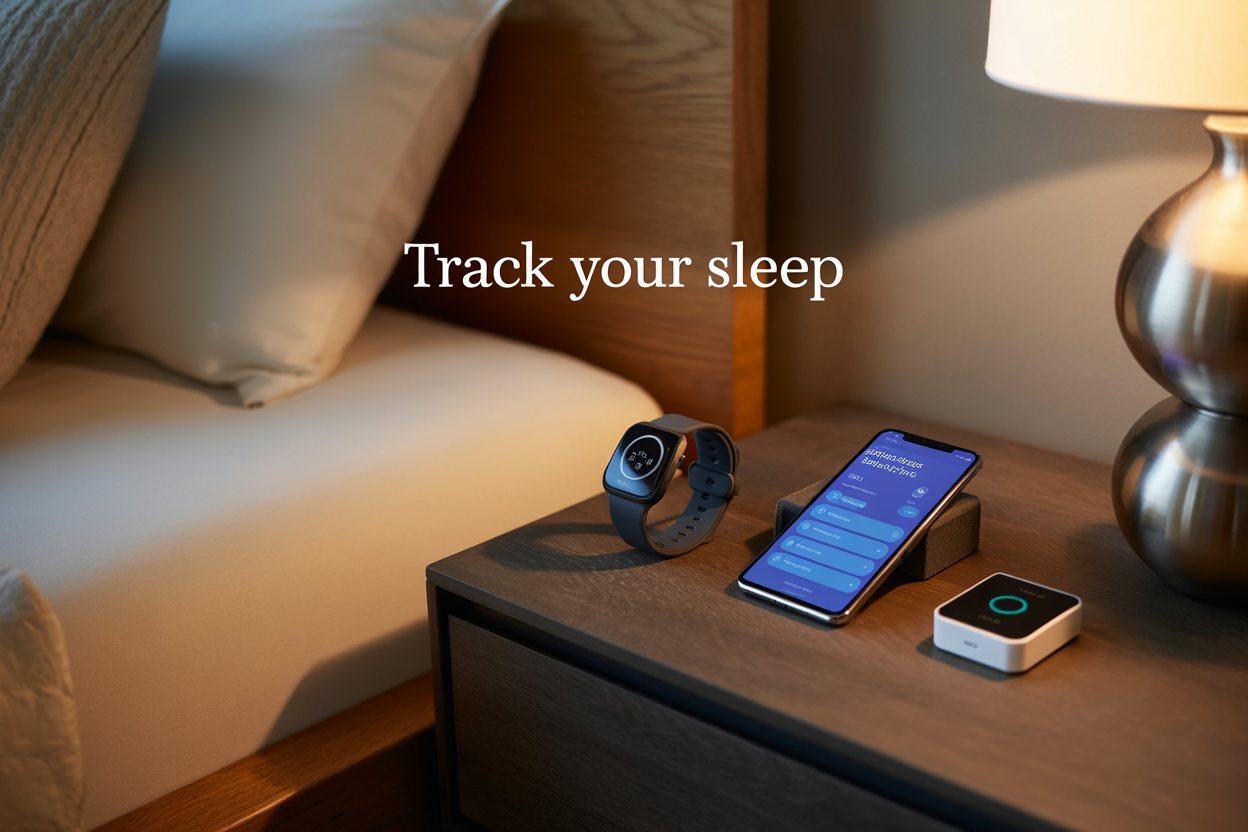
Poor sleep affects millions of people, but sleep tracking technology can help you understand your rest patterns and improve your nights. This guide is for anyone wanting better sleep—from busy professionals dealing with stress to fitness enthusiasts optimizing recovery to parents juggling demanding schedules.
We'll explore the best sleep tracking devices and apps available today, starting with popular wearable sleep trackers like fitness bands and smartwatches that monitor your movement and heart rate throughout the night. You'll also discover smartphone sleep apps that turn your phone into a sleep monitoring tool without extra hardware, plus smart home sleep solutions that track your rest environment automatically.
Finally, we'll help you choose the right sleep tracker for your lifestyle and budget, so you can start getting the insights you need for better sleep.
Understanding Sleep Tracking Technology Benefits
Improve Sleep Quality Through Data-Driven Insights
Sleep tracking technology transforms the guesswork around your nightly rest into concrete, actionable data. When you consistently track your sleep patterns, you gain access to detailed metrics about your sleep stages, including light sleep, deep sleep, and REM cycles. This information reveals exactly when you're getting restorative sleep and when you're not.
The data shows you patterns you might never notice otherwise. Maybe you discover that your deep sleep drops significantly when you have caffeine after 3 PM, or that your sleep quality improves dramatically when you keep your bedroom temperature below 68°F. These insights help you make targeted changes that actually work, rather than trying random sleep tips that may not address your specific issues.
Modern sleep monitoring tools also track environmental factors like room temperature, humidity, and noise levels, correlating them with your sleep quality scores. This comprehensive approach helps you create the perfect sleep environment tailored to your body's needs.
Identify Sleep Pattern Disruptions and Health Issues
Your sleep data serves as an early warning system for potential health concerns. Sleep tracking devices can detect irregular breathing patterns, frequent awakenings, or unusual heart rate variations during sleep that might indicate sleep apnea, restless leg syndrome, or other sleep disorders.
Best sleep tracking devices monitor consistency in your sleep schedule and can flag when you're experiencing chronic sleep deprivation or irregular sleep patterns. These disruptions often correlate with stress levels, hormonal changes, or underlying health conditions that deserve medical attention.
The technology also captures subtle changes in your sleep architecture over time. A gradual decrease in REM sleep or an increase in sleep interruptions might signal the need for lifestyle adjustments or professional consultation before these issues become more serious health problems.
Optimize Your Sleep Schedule for Better Performance
Sleep tracking technology helps you discover your natural circadian rhythm and find your optimal bedtime and wake-up schedule. By analyzing weeks or months of data, you can identify when you naturally feel most alert and when your energy dips, allowing you to align your daily activities with your biological clock.
The data reveals how different sleep durations affect your daytime performance, mood, and cognitive function. Some people thrive on seven hours while others need eight and a half. Your tracker helps you find your sweet spot by correlating sleep duration with next-day performance metrics.
Smart sleep monitoring solutions can even provide personalized recommendations for bedtime based on your planned wake-up time and historical sleep data. This takes the guesswork out of sleep scheduling and helps you maintain consistency even when your routine changes.
Monitor Progress Toward Better Sleep Habits
Tracking your sleep creates accountability and motivation for maintaining healthy sleep habits. When you can see concrete improvements in your sleep quality scores after implementing changes like reducing screen time before bed or establishing a consistent bedtime routine, you're more likely to stick with these positive behaviors.
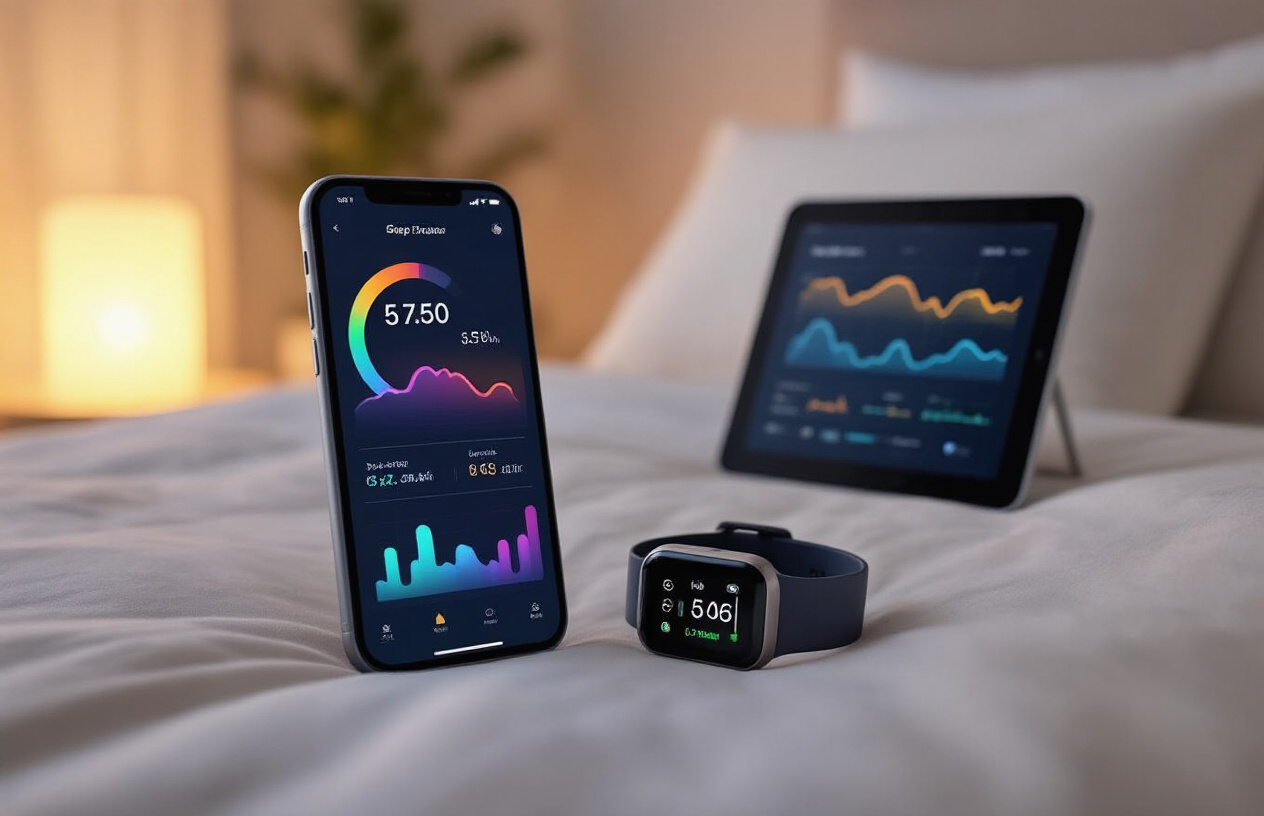
Sleep monitoring apps provide visual progress reports that show trends over weeks and months. These charts help you understand which interventions are working and which aren't, allowing you to refine your approach continuously. You can track how factors like exercise timing, meal schedules, and stress management techniques impact your sleep quality.
The technology also helps you maintain progress during challenging periods. When work stress or life changes threaten to derail your sleep routine, your tracking data serves as a reminder of what good sleep looks like for you and motivates you to return to healthy patterns quickly.
Wearable Sleep Tracking Devices
Smartwatches That Monitor Sleep Cycles Automatically
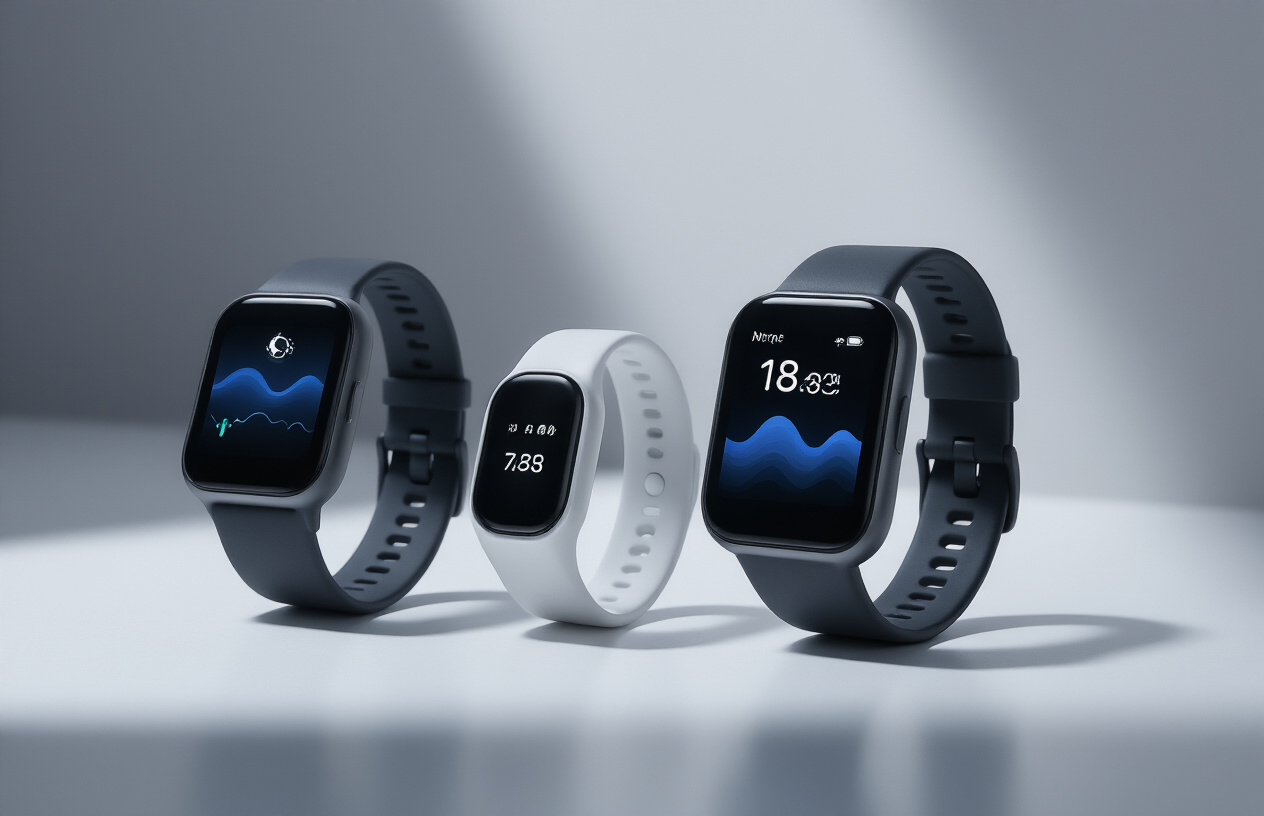
Modern smartwatches have evolved into sophisticated wearable sleep trackers that offer comprehensive monitoring without any extra effort on your part. Apple Watch, Samsung Galaxy Watch, and Fitbit Versa series lead the pack with their automatic sleep detection capabilities. These devices use built-in sensors including accelerometers, heart rate monitors, and gyroscopes to track your sleep patterns, stages, and quality throughout the night.
The Apple Watch's Sleep app provides detailed insights into REM, deep sleep, and light sleep phases, while also monitoring your heart rate variability during rest. Samsung's Galaxy Watch series includes SpO2 monitoring for sleep apnea detection, making it one of the most comprehensive sleep monitoring tools available. Most smartwatches also feature smart alarms that wake you during lighter sleep phases, helping you feel more refreshed.
Battery life remains a consideration since you'll need to charge your device daily. However, many users find the convenience of having sleep data integrated with their overall health metrics worth this trade-off. The seamless sync with smartphone health apps means your sleep information becomes part of a larger wellness picture.
Dedicated Fitness Trackers with Advanced Sleep Features
Best sleep tracking devices often come in the form of dedicated fitness trackers that prioritize battery life and sleep-specific features. The Fitbit Charge series, Garmin Vivosmart, and WHOOP Strap 4.0 represent the gold standard for sleep-focused wearables. These devices typically offer 5-7 days of battery life, meaning you can track sleep continuously without worrying about daily charging.
WHOOP stands out by providing detailed recovery metrics and strain coaching based on your sleep quality. It measures heart rate variability, respiratory rate, and skin temperature to give you a comprehensive sleep score. Garmin's fitness trackers excel in providing actionable insights, including sleep coaching and personalized recommendations for improving rest quality.
| Device | Battery Life | Key Sleep Features | Price Range |
|---|---|---|---|
| Fitbit Charge 5 | 7 days | Sleep Score, Smart Wake | $150-200 |
| WHOOP Strap 4.0 | 5 days | Recovery metrics, Coaching | $30/month |
| Garmin Vivosmart 4 | 7 days | Pulse Ox, Sleep coaching | $100-150 |
These trackers often include additional wellness features like stress monitoring and guided breathing exercises that complement their sleep tracking technology. Many offer detailed sleep stage analysis and can detect disturbances like snoring or movement patterns that might affect your rest quality.
Smart Rings for Discreet Continuous Sleep Monitoring
Smart rings represent the most discreet option among wearable sleep trackers, offering 24/7 monitoring without the bulk of traditional fitness devices. The Oura Ring and Circular Ring have gained popularity among users who prefer minimal, jewelry-like devices that don't interfere with daily activities or sleep comfort.
The Oura Ring Generation 3 tracks heart rate, heart rate variability, body temperature, and movement patterns with remarkable accuracy despite its small size. Its sleep tracking technology provides detailed insights into sleep efficiency, timing, and quality while maintaining up to 7 days of battery life. The ring's lightweight design means you'll forget you're wearing it, making it perfect for people who find watches uncomfortable during sleep.
Circular Ring offers similar functionality with additional features like guided meditation and stress management tools. Both rings provide comprehensive sleep reports including sleep debt calculations and personalized recommendations for optimizing your rest schedule. The discreet nature of smart rings makes them particularly appealing to professionals who prefer subtle health monitoring without obvious fitness tracking devices.
Temperature monitoring in smart rings often provides early indicators of illness or hormonal changes that affect sleep quality. This advanced biometric tracking, combined with their comfortable all-day wear capability, positions smart rings as premium sleep monitoring tools for serious health enthusiasts.
Smartphone Sleep Tracking Applications

Free Apps That Use Phone Sensors for Sleep Analysis
Your smartphone contains powerful sensors that can track sleep without any additional hardware. Sleep tracking apps use your phone's accelerometer, gyroscope, and microphone to monitor movement patterns and breathing sounds throughout the night.
Sleep Cycle stands out as one of the most popular free smartphone sleep apps. It analyzes your sleep phases using sound or movement detection, then wakes you during your lightest sleep phase within a 30-minute window. The app provides detailed sleep statistics and trends over time.
AutoSleep works exclusively with Apple devices and automatically detects when you fall asleep and wake up. No need to remember to start tracking - it runs continuously in the background and syncs seamlessly with Apple Health.
Sleep Score offers comprehensive free sleep monitoring using only your phone's microphone. It tracks sleep duration, efficiency, and provides personalized insights based on environmental factors like room temperature and noise levels.
Most free sleep monitoring apps place your phone on the mattress or nightstand to detect movement vibrations. While not as precise as dedicated wearable sleep trackers, these smartphone sleep apps provide valuable baseline data about your sleep patterns without any additional cost or equipment.
Premium Sleep Apps with Comprehensive Tracking Features
Premium sleep tracking apps offer advanced analytics, personalized coaching, and detailed insights that go far beyond basic monitoring. These paid applications often provide features worth the investment for serious sleep optimization.
Pillow offers a premium subscription that includes sleep trend analysis, heart rate monitoring (when paired with Apple Watch), and detailed REM sleep tracking. The app provides sleep quality scores and identifies factors affecting your rest.
Noisli combines sleep tracking with ambient sound generation. Premium features include custom soundscapes, advanced sleep analytics, and integration with productivity tools. The app tracks how different sound environments affect your sleep quality.
Sleep Genius uses neurosensory algorithms developed for NASA to optimize sleep cycles. Premium features include power nap timers, relaxation programs, and detailed sleep architecture analysis showing time spent in each sleep stage.
Calm offers sleep stories, meditation sessions, and advanced sleep tracking in its premium tier. The app provides personalized recommendations based on your sleep data and stress levels throughout the day.
Premium apps typically cost between $3-10 monthly but deliver professional-grade sleep analysis comparable to medical sleep studies. They often include features like snore detection, sleep debt calculations, and integration with smart home devices for automated sleep environment optimization.
Apps That Integrate with Other Health and Fitness Platforms
Modern sleep monitoring apps excel when they connect with broader health ecosystems. Integration creates a complete picture of how sleep affects your overall wellness and physical performance.
Apple Health serves as a central hub for iPhone users, collecting sleep data from multiple sources including native Sleep app, third-party applications, and connected devices. This comprehensive view shows correlations between sleep, exercise, nutrition, and mood.
Google Fit provides similar integration for Android users, combining sleep tracking with step counting, heart rate monitoring, and workout data. The platform identifies patterns between physical activity levels and sleep quality.
MyFitnessPal connects sleep data with nutrition tracking, revealing how meal timing, caffeine intake, and calorie consumption impact rest quality. Users can identify foods that promote or disrupt sleep patterns.
Strava athletes benefit from sleep tracking integration that shows how rest affects training performance. Recovery metrics help determine optimal workout intensity based on previous night's sleep quality.
Fitbit ecosystem creates seamless data sharing between sleep tracking, exercise monitoring, and stress management tools. The platform provides actionable insights about lifestyle factors affecting sleep.
Cross-platform integration transforms isolated sleep data into actionable health intelligence, helping users understand the complex relationships between rest, nutrition, exercise, and overall wellness.
Voice-Activated Sleep Tracking Through Smart Assistants
Smart assistants have revolutionized hands-free sleep monitoring, allowing users to control tracking through simple voice commands without fumbling with devices in the dark.
Amazon Alexa skills like "Sleep Sounds" and "Sweet Dreams" provide voice-controlled sleep tracking combined with ambient audio. Users can say "Alexa, track my sleep" to begin monitoring and receive morning summaries through voice reports.
Google Assistant integrates with Google Nest devices to monitor sleep through ambient sensing technology. The system detects movement, breathing patterns, and environmental changes without requiring wearable devices or phone placement.
Apple's Siri connects with HomeKit-enabled sleep tracking devices, allowing voice control of bedroom environment settings. Users can adjust temperature, lighting, and sound through voice commands that automatically log sleep preparation routines.
Voice-activated tracking eliminates the friction of manual sleep monitoring setup. Simply speaking to your device creates consistent tracking habits without disrupting bedtime routines or requiring physical interaction with apps or buttons.
Smart assistant integration often includes personalized sleep coaching through voice-delivered insights. Morning briefings provide sleep quality summaries, improvement suggestions, and integration with calendar apps to optimize sleep schedules based on upcoming commitments.
Smart Home Sleep Monitoring Solutions
Under-Mattress Sleep Sensors for Accurate Tracking
Under-mattress sensors offer a game-changing approach to sleep tracking technology without requiring you to wear anything to bed. These thin, flexible devices slip between your mattress and bed frame, using advanced ballistocardiography to detect your heart rate, breathing patterns, and movement throughout the night.
The Withings Sleep Analyzer stands out as a premier choice, providing comprehensive data on sleep stages, heart rate variability, and even snoring detection. Its seamless integration with popular health apps makes it easy to track long-term trends. The device connects to your Wi-Fi network and automatically syncs data to your smartphone each morning.
ResMed S+ represents another excellent option for those seeking clinical-grade accuracy. This contactless sleep monitor uses ultra-wideband radar technology to track breathing and movement patterns with remarkable precision. The system analyzes your sleep environment, including room temperature, light levels, and noise, providing personalized recommendations for better rest.
Installation requires minimal effort – simply place the sensor under your mattress and connect it to power. Most models work with any mattress type, from memory foam to traditional spring mattresses. The sensors remain completely undetectable during sleep, making them perfect for couples who want comprehensive sleep monitoring tools without disrupting their partner's comfort.
These smart home sleep solutions typically offer battery life spanning several months, with some models featuring rechargeable options for extended use.
Bedside Sleep Monitors That Track Without Wearing Devices
Bedside sleep monitors represent the perfect middle ground between wearable devices and under-mattress sensors. These standalone units sit on your nightstand and use sophisticated radar or radio wave technology to monitor your sleep patterns without any physical contact.
The Google Nest Hub (2nd Gen) incorporates Soli radar technology to track your sleep movements and breathing patterns. Beyond sleep monitoring, it serves as a smart display for controlling other connected devices, playing relaxing sounds, and providing gentle wake-up lighting. The device automatically generates weekly sleep reports and offers personalized insights based on your patterns.
Sleep Number's SleepIQ technology, while primarily associated with their smart mattresses, also offers standalone monitoring capabilities through their bedside devices. These monitors track movement, heart rate, and breathing patterns while providing real-time feedback through their mobile app.
What makes bedside monitors particularly appealing is their ability to track multiple sleepers simultaneously. The technology can distinguish between two people sharing a bed, providing individual sleep reports for each partner. This feature makes them ideal smart home sleep solutions for couples with different sleep schedules or concerns.
Setup involves placing the device within arm's reach of your bed and connecting it to your home's Wi-Fi network. Most models require a brief calibration period to learn your specific sleep patterns and bedroom environment before delivering accurate results.
Smart Mattresses with Built-in Sleep Technology
Smart mattresses represent the pinnacle of integrated sleep tracking technology, combining comfort with comprehensive monitoring capabilities. These innovative sleep solutions embed sensors directly into the mattress construction, eliminating the need for additional devices or accessories.
Sleep Number's Smart Beds lead the market with their dual-air chamber technology and integrated SleepIQ monitoring system. These mattresses automatically adjust firmness based on your sleep position and provide detailed analytics on sleep quality, heart rate variability, and movement patterns. The biometric sensors track over 15 different sleep metrics, offering insights that rival professional sleep studies.
Purple's Smart Mattress combines their signature gel grid technology with built-in sleep tracking capabilities. The mattress monitors temperature regulation, pressure points, and movement patterns while maintaining optimal comfort throughout the night. Their accompanying app provides personalized recommendations for improving sleep quality based on your specific patterns.
Tempur-Pedic's Smart Base systems work with their memory foam mattresses to create a complete sleep ecosystem. These bases feature massage capabilities, adjustable positioning, and integrated sleep tracking that monitors everything from snoring patterns to sleep efficiency scores.
| Feature | Sleep Number | Purple Smart | Tempur-Pedic Smart Base |
|---|---|---|---|
| Firmness Adjustment | Automatic | Fixed with tracking | Position adjustment |
| Heart Rate Monitoring | Yes | No | Yes |
| Temperature Control | Yes | Passive cooling | No |
| Partner Tracking | Dual zones | Single unit | Dual zones |
| App Integration | SleepIQ | Purple app | Tempur-Pedic app |
Smart mattresses typically cost significantly more than traditional options but provide unmatched convenience for those serious about optimizing their sleep. The investment pays dividends through years of detailed sleep analytics and personalized comfort adjustments that adapt to your changing needs over time.
Choosing the Right Sleep Tracking Tool for Your Needs

Consider Your Budget and Feature Requirements
The price range for sleep tracking technology spans from free smartphone apps to premium wearable devices costing several hundred dollars. Basic sleep monitoring apps won't cost you a penny but offer limited insights compared to dedicated sleep tracking devices that can run anywhere from $50 to $400 or more.
Start by listing what you actually want to track. Some people just need basic sleep duration and wake-up times, while others want detailed REM cycle analysis, heart rate variability, and environmental factors like room temperature. Premium wearable sleep trackers typically offer advanced metrics like sleep stages, blood oxygen levels, and recovery recommendations, but you'll pay more for these features.
Mid-range options around $100-200 often provide the sweet spot between functionality and affordability. These devices usually track sleep stages, movement, and basic health metrics without breaking the bank. If you're just starting your sleep tracking journey, consider beginning with a smartphone app or affordable fitness tracker before investing in high-end sleep monitoring tools.
Evaluate Accuracy Levels and Data Privacy Policies
Not all sleep tracking technology delivers the same level of precision. Wearable devices that monitor multiple biometric signals generally provide more accurate data than smartphone apps that rely solely on movement detection and sound patterns. Research-grade sleep trackers can achieve accuracy rates above 85% for sleep stage detection, while basic apps might hover around 60-70%.
Check independent reviews and clinical studies when possible. Some manufacturers publish validation studies comparing their devices to professional sleep lab equipment. Look for products that have been tested against polysomnography, the gold standard for sleep measurement.
Data privacy deserves serious attention since sleep trackers collect intimate health information. Read privacy policies carefully to understand how your sleep data gets stored, shared, or sold. Some companies keep data locally on your device, while others upload everything to cloud servers. European companies often follow stricter GDPR guidelines, while some apps require you to create accounts that could expose your information to third parties.
Match Technology to Your Sleep Goals and Lifestyle
Your daily routine and sleep objectives should drive your technology choice. Shift workers need different tracking capabilities than regular 9-to-5 sleepers. If you travel frequently, prioritize devices with automatic time zone adjustment and long battery life over smart home sleep solutions that won't follow you on the road.
Athletic performance enthusiasts benefit from sleep trackers that integrate with fitness platforms and provide recovery metrics. People dealing with sleep disorders might prefer devices that can detect sleep apnea indicators or unusual breathing patterns. Parents of young children often need silent tracking options that won't disturb family members.
Consider your comfort preferences too. Some people can't sleep wearing anything on their wrists, making under-mattress sensors or smartphone apps better choices. Others find that wearing a device actually reminds them to prioritize good sleep habits. Think about whether you want passive tracking that happens automatically or prefer interactive features that require daily engagement.
Compare Battery Life and Ease of Use Factors
Battery performance can make or break your sleep tracking experience. Smartwatches typically last 1-3 days between charges, while dedicated fitness trackers often run for a week or more. Charging frequency matters because you need consistent data to spot sleep patterns and trends.
Some devices offer quick charging features that let you top up the battery during your morning routine. Others require overnight charging, which defeats the purpose unless you have a backup device. Smart rings often provide the best battery life among wearables, sometimes lasting two weeks on a single charge.
User interface complexity varies dramatically across different sleep monitoring tools. Simple devices display basic metrics on companion smartphone apps, while advanced trackers offer detailed analytics dashboards with trend analysis and personalized recommendations. Consider whether you want extensive data visualization or prefer straightforward sleep summaries.
Setup difficulty ranges from plug-and-play smartphone apps to smart home systems requiring multiple sensors and network configuration. Choose technology that matches your comfort level with gadgets and troubleshooting.
Maximizing Your Sleep Tracking Results
Establish Consistent Sleep Routines for Better Data
Your sleep tracking technology works best when you give it predictable patterns to analyze. Going to bed and waking up at roughly the same times every day helps your wearable sleep trackers and sleep monitoring apps establish accurate baselines for your personal sleep patterns.
Most sleep tracking devices need at least two weeks of consistent data to provide meaningful insights. When you constantly shift your bedtime by several hours or sleep in drastically different environments, your tracker struggles to distinguish between normal variations and actual sleep issues.
Create a wind-down routine that starts 30-60 minutes before your target bedtime. This might include dimming lights, putting away devices, or doing relaxation exercises. Your sleep tracker will pick up on these consistent pre-sleep behaviors and help you identify which activities actually improve your sleep quality.
Weekend sleep-ins might feel great, but they confuse your tracking data. Try to keep your wake time within an hour of your weekday schedule, even on weekends. This consistency helps your sleep monitoring tools provide more accurate recommendations about your optimal sleep window.
Use Multiple Metrics to Get Complete Sleep Picture
Relying on just one sleep tracking metric gives you an incomplete picture of your rest quality. The best sleep tracking devices monitor several data points simultaneously, and you should pay attention to multiple indicators rather than obsessing over a single number.
Sleep duration tells you how long you were in bed, but sleep efficiency reveals how much of that time you actually spent sleeping. A person who sleeps seven hours with 90% efficiency gets better rest than someone who spends nine hours in bed with 70% efficiency.
| Key Sleep Metrics | What They Reveal | Target Range |
|---|---|---|
| Sleep Duration | Total time asleep | 7-9 hours for adults |
| Sleep Efficiency | Percentage of time in bed actually sleeping | 85% or higher |
| REM Sleep | Restorative dream sleep | 20-25% of total sleep |
| Deep Sleep | Physical recovery phase | 15-20% of total sleep |
| Sleep Onset Time | How long to fall asleep | Under 20 minutes |
Heart rate variability, movement patterns, and environmental factors like room temperature also impact sleep quality. Many smartphone sleep apps now integrate with smart home sleep solutions to track bedroom conditions alongside your personal metrics.
Compare trends across weeks and months rather than getting caught up in daily fluctuations. Your sleep tracking benefits multiply when you look at patterns over time instead of individual night scores.
Act on Insights to Create Lasting Sleep Improvements
Data without action leads nowhere. Your sleep monitoring tools provide insights, but you need to experiment with changes based on what the numbers reveal. Start with small adjustments rather than overhauling your entire routine overnight.
If your tracker shows you're getting insufficient deep sleep, try lowering your bedroom temperature by 2-3 degrees or avoiding caffeine after 2 PM. Make one change at a time and track it for at least a week before adding another modification.
Many people discover through their sleep tracking devices that their perceived sleep quality doesn't match the actual data. You might feel terrible after a night your tracker rates highly, or feel refreshed after what appears to be poor sleep. This disconnect often reveals the impact of stress, diet, or other lifestyle factors on your sleep perception.
Set up smart notifications from your sleep monitoring apps to remind you when it's time to start winding down. Some wearable sleep trackers can vibrate gently when they detect you've been awake too long during your usual sleep window.
Create a simple log alongside your digital tracking to note factors like alcohol consumption, exercise timing, stress levels, or medication changes. These contextual notes help you understand why your sleep patterns shift and identify the lifestyle changes that have the biggest impact on your rest quality.
Regular review sessions with your sleep data help you spot trends you might miss day-to-day. Schedule weekly check-ins with your tracking results to identify what's working and what needs adjustment in your sleep routine.

Sleep tracking technology has become a game-changer for anyone serious about improving their rest. From wearable devices that monitor your heart rate and movement to smartphone apps that analyze your breathing patterns, these tools give you real insights into your sleep quality. Smart home solutions take things even further by tracking your entire bedroom environment, helping you create the perfect conditions for deep, restorative sleep.
The key is finding the right tool that fits your lifestyle and budget. Start simple with a smartphone app if you're new to sleep tracking, or invest in a comprehensive wearable if you want detailed data. Remember, the best sleep tracker is the one you'll actually use consistently. Take the data these tools provide and use it to make small changes to your bedtime routine, sleep environment, or daily habits. Your future well-rested self will thank you for taking that first step toward better sleep tonight.



0 Comments