Google Pixel 10 Pro vs. iPhone 16: Which Camera Wins?
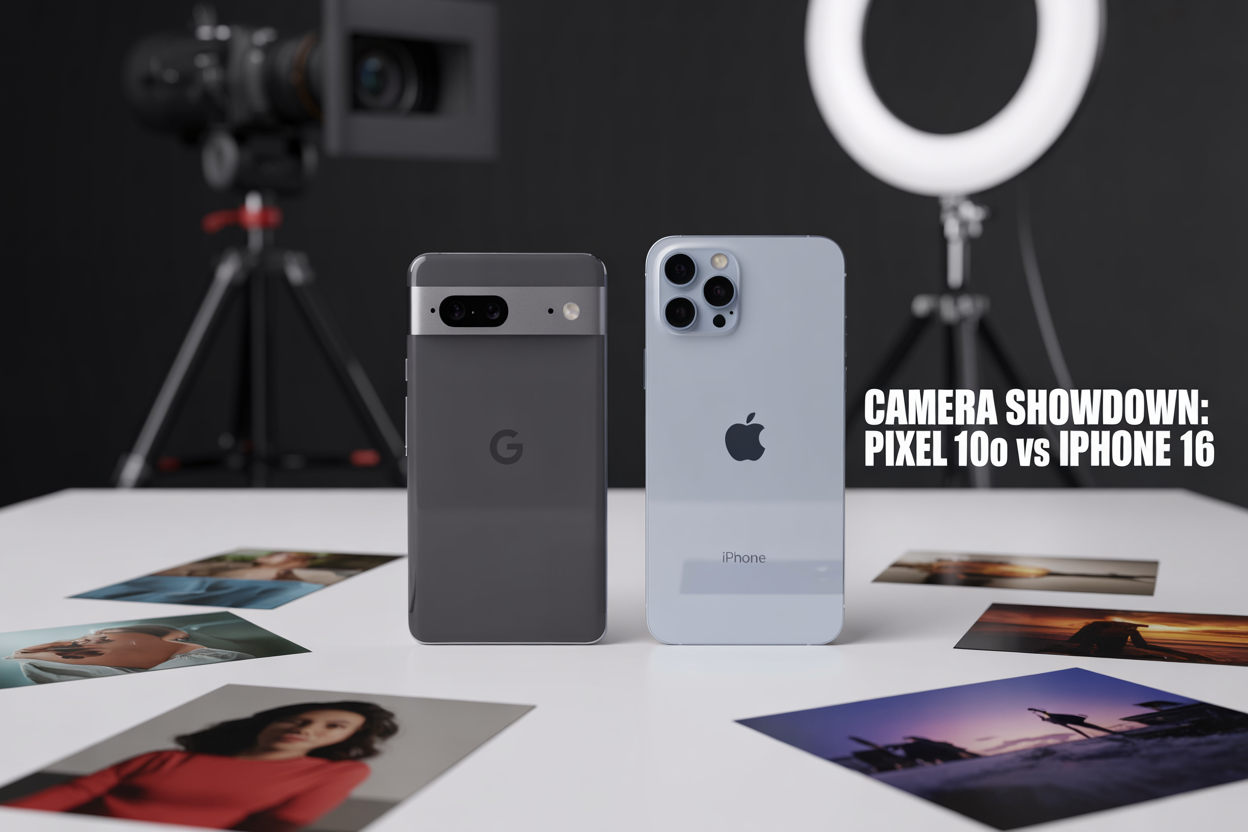
The Google Pixel 10 Pro vs iPhone 16 camera battle is heating up, and smartphone photographers want to know which flagship delivers the best shots for their money. If you're torn between Google's computational photography magic and Apple's refined camera system, this detailed comparison will help you decide.
This guide is perfect for photography enthusiasts, content creators, and anyone upgrading their smartphone who wants top-tier camera performance without the guesswork.
We'll dive deep into the technical specs and real-world performance of both camera systems, then put them head-to-head across various shooting scenarios - from low-light portraits to action shots and video recording. Finally, we'll break down which phone gives you the better bang for your buck when it comes to camera quality and overall value.
By the end, you'll know exactly which smartphone camera wins for your specific needs and budget.
Google Pixel 10 Pro Camera Specifications and Features
Main camera sensor capabilities and megapixel count
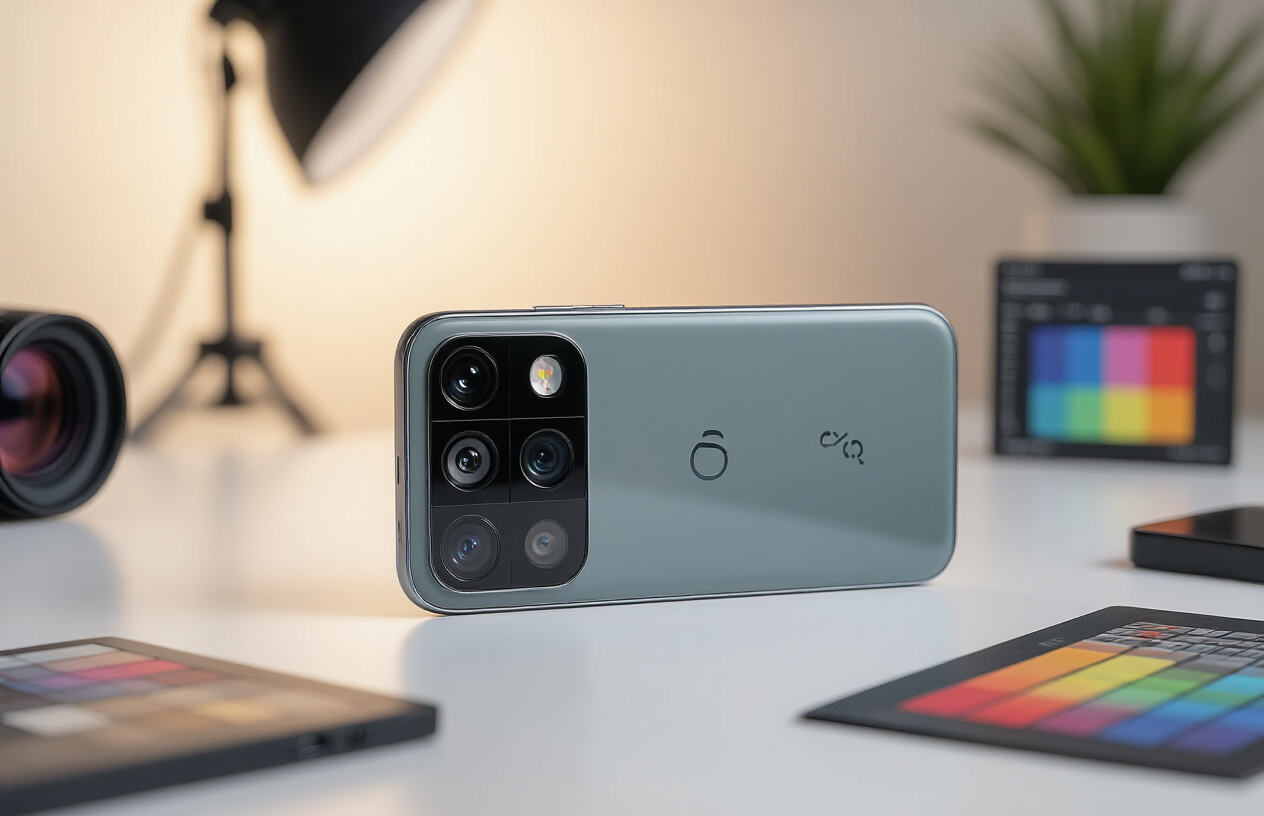
The Google Pixel 10 Pro camera review reveals a powerhouse 50MP main sensor that builds on Google's proven imaging foundation. The primary camera features a large 1/1.31-inch sensor with 1.2μm pixels, capturing significantly more light than previous generations. Google has enhanced the sensor with improved dynamic range capabilities, allowing photographers to capture stunning detail in both shadows and highlights without aggressive HDR processing.
The main camera supports 4K video recording at 60fps with advanced stabilization, making it a serious contender for content creators. Raw photo support gives photography enthusiasts full control over their edits, while the AI-powered scene detection automatically optimizes settings for over 20 different scenarios.
Ultra-wide and telephoto lens performance
The ultra-wide camera sports a 12MP sensor with a 125.8-degree field of view, perfect for landscape photography and group shots. Google has addressed the common distortion issues found in previous models, delivering crisp edge-to-edge sharpness that rivals dedicated wide-angle lenses.
The telephoto system represents a major leap forward with its 48MP periscope design offering true 5x optical zoom. This setup maintains exceptional image quality even at maximum zoom levels, something that sets the Pixel 10 Pro apart in smartphone camera performance comparisons. The telephoto lens also doubles as a macro camera, capturing intricate details from just 3cm away.
Advanced computational photography features
Google's computational photography remains the crown jewel of the Pixel experience. The Magic Eraser tool has evolved into Magic Editor, allowing users to move, resize, and completely reimagine elements within their photos using AI. The Best Take feature automatically combines multiple shots to ensure everyone looks their best in group photos.
The Real Tone technology continues to excel at accurately representing all skin tones, while the new Pro Controls give advanced users manual control over ISO, shutter speed, and focus. The AI-powered Portrait mode now works seamlessly across all three cameras, creating natural bokeh effects that rival DSLR cameras.
Night mode and low-light photography enhancements
Night Sight has received substantial improvements in the Pixel 10 Pro, delivering brighter, more detailed photos in extremely low-light conditions. The enhanced algorithm reduces noise while preserving fine details, making nighttime photography accessible to everyone.
The astrophotography mode captures stunning star trails and celestial objects with minimal effort, automatically detecting when the phone is stable enough for long exposures. Low-light video recording has also improved dramatically, with the main sensor capturing usable footage in conditions where competing smartphones struggle to focus.
iPhone 16 Camera System Overview
Primary camera technology and image processing
The iPhone 16 packs a 48MP main camera sensor that builds on Apple's proven computational photography foundation. This sensor captures images at multiple exposures simultaneously, feeding data into Apple's A18 Bionic chip for real-time processing. The system excels at balancing highlights and shadows through advanced tone mapping algorithms that analyze each pixel's luminance value.
Apple's Smart HDR 5 technology represents a significant leap in image processing capabilities. The system captures up to nine different exposures in rapid succession, then intelligently blends them to create a single optimized image. This happens automatically without any lag or user intervention, making the iPhone 16 camera comparison particularly impressive in challenging lighting scenarios.
The Neural Engine within the A18 chip handles machine learning tasks for photography, including scene recognition, subject detection, and noise reduction. This dedicated processing power allows the iPhone 16 to identify and optimize for over 200 different scenes automatically, adjusting white balance, saturation, and sharpness accordingly.
| Processing Feature | Capability |
|---|---|
| Exposures per shot | Up to 9 simultaneous |
| Scene detection | 200+ scenarios |
| Processing time | Under 100ms |
| HDR processing | Real-time Smart HDR 5 |
Camera array configuration and lens quality
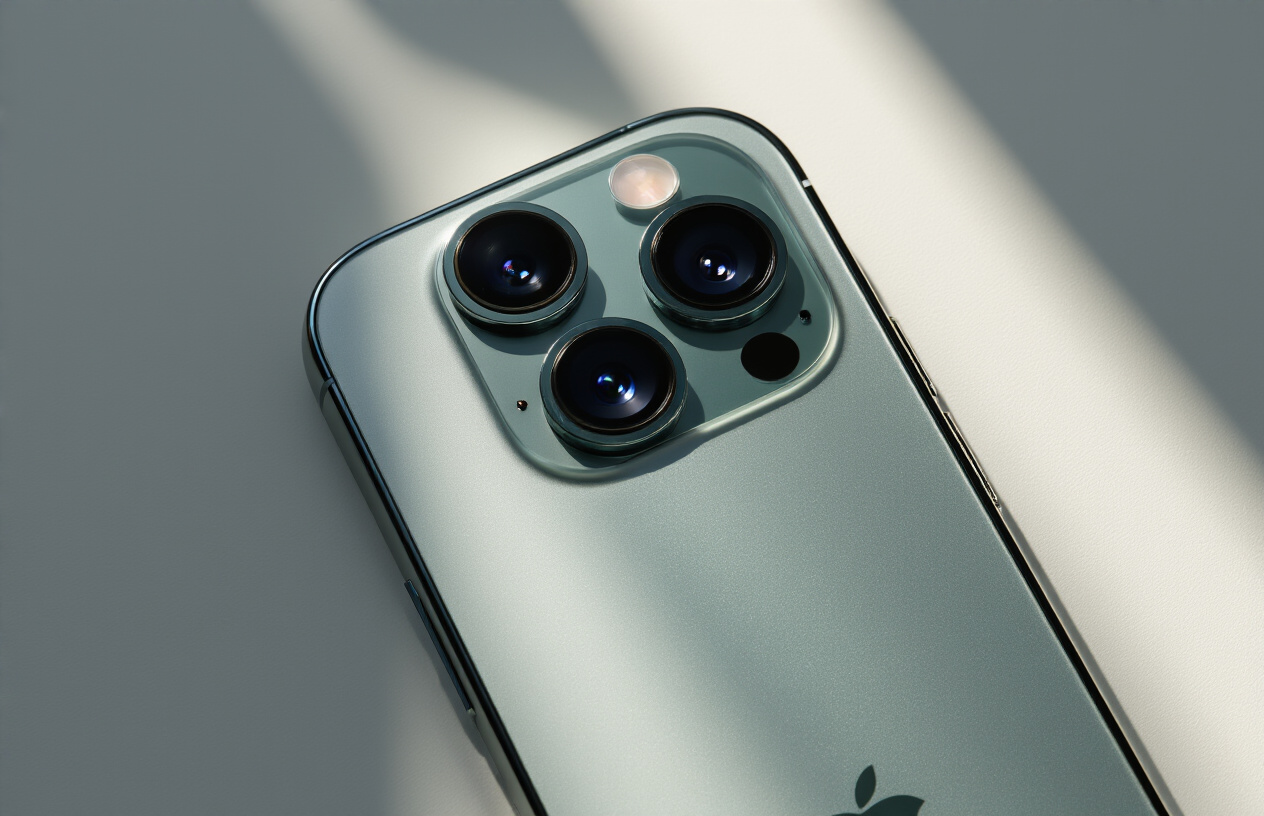
The iPhone 16 features a dual-camera system with carefully engineered optics. The main 48MP camera uses a seven-element lens with an f/1.6 aperture, providing excellent light-gathering capabilities. The ultra-wide camera offers a 12MP sensor with an f/2.4 aperture and a 120-degree field of view, perfect for landscape photography and group shots.
Apple's lens construction incorporates premium materials including sapphire crystal covers and anti-reflective coatings. These elements reduce lens flare and ghosting while maintaining color accuracy across different lighting conditions. The optical image stabilization system uses sensor-shift technology, moving the entire sensor rather than just the lens elements for more effective shake reduction.
The camera bump design houses both lenses in a diagonal arrangement, optimizing space while maintaining the slim profile. Each lens features individual focus motors for rapid autofocus performance, with the main camera achieving focus lock in as little as 0.13 seconds.
Smart HDR and portrait mode capabilities
Smart HDR 5 transforms how the iPhone 16 handles high-contrast scenes. The system analyzes the entire frame before capture, identifying faces, sky, and other key elements to apply targeted processing. This selective approach prevents the over-processing that plagued earlier HDR implementations while maintaining natural-looking results.
Portrait mode on the iPhone 16 leverages both cameras and the LiDAR scanner to create accurate depth maps. The system can detect subjects up to 8 feet away and maintains sharp focus transitions between the subject and background blur. Edge detection has improved significantly, handling complex subjects like hair, glasses, and pets with greater precision.
The smartphone photography comparison reveals the iPhone 16's strength in computational bokeh effects. Users can adjust depth intensity after capture through the Photos app, with seven different lighting effects available including Natural, Studio, Contour, and Dramatic lighting options. The system also supports Portrait mode for pets and objects, expanding creative possibilities beyond traditional human subjects.
Night mode portraits represent a standout feature, combining multiple exposures with advanced noise reduction to capture sharp subjects against beautifully blurred backgrounds even in low light conditions.
Image Quality Comparison in Different Scenarios
Daylight photography performance and color accuracy
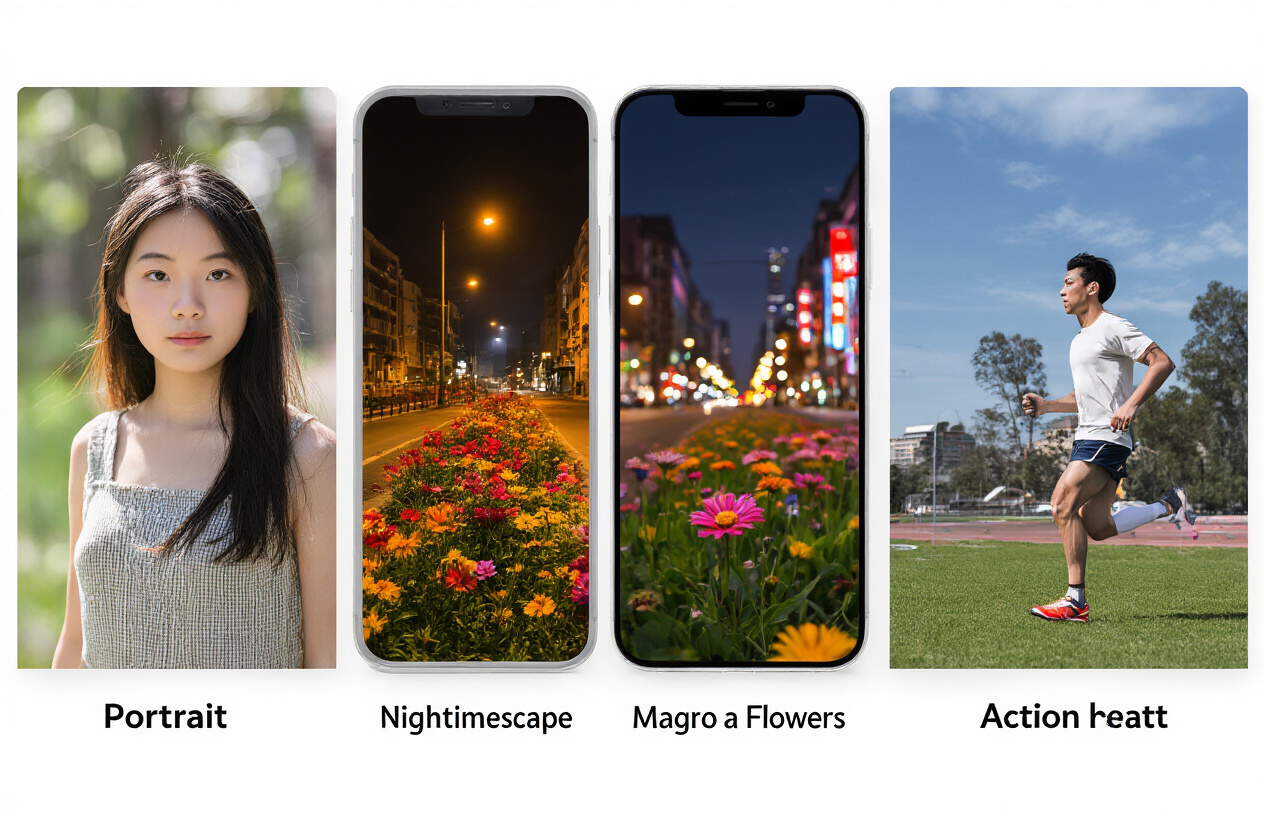
When comparing the Google Pixel 10 Pro vs iPhone 16 in daylight conditions, both smartphones deliver exceptional results, though each takes a distinct approach to color science. The Pixel 10 Pro continues Google's tradition of computational photography excellence, producing images with vibrant yet natural colors that pop without appearing oversaturated. Its advanced HDR processing ensures balanced exposures even in challenging lighting scenarios with both bright highlights and deep shadows.
The iPhone 16 maintains Apple's signature warm color profile, delivering images with slightly enhanced contrast and punchy colors that many users find immediately appealing. Dynamic range performance on both devices is outstanding, though the Pixel 10 Pro tends to recover more detail in shadow areas while the iPhone 16 excels at preserving highlight information.
Both cameras handle skin tones beautifully in daylight, with the Pixel favoring a more neutral approach and the iPhone adding subtle warmth that many find flattering. Detail reproduction is sharp on both devices, with the Pixel 10 Pro showing slight advantages in texture clarity thanks to its computational processing algorithms.
Portrait and bokeh effect quality
The smartphone photography comparison between these two flagships reveals fascinating differences in portrait photography. The Pixel 10 Pro's portrait mode leverages multiple cameras and AI processing to create remarkably accurate subject detection and edge separation. The bokeh effect feels natural and progressive, closely mimicking what you'd expect from a professional camera with a wide aperture lens.
Apple's iPhone 16 portrait mode has matured significantly, offering consistent results with excellent subject isolation. The device provides multiple focal length options for portraits, giving users creative flexibility. Both phones now handle challenging scenarios like hair strands, glasses, and complex backgrounds with impressive accuracy.
| Feature | Google Pixel 10 Pro | iPhone 16 |
|---|---|---|
| Subject Detection | Excellent AI-powered | Very Good with LiDAR assistance |
| Edge Definition | Natural, precise | Clean, slightly processed |
| Bokeh Quality | Film-like, smooth | Circular, pleasing |
| Portrait Lighting | Multiple options | Studio-quality effects |
The Pixel 10 Pro allows post-capture bokeh adjustment, while the iPhone 16 offers various portrait lighting effects that can dramatically change the mood of your shots.
Macro photography capabilities
Macro photography represents one area where these flagships diverge significantly. The iPhone 16's dedicated macro lens allows users to get incredibly close to subjects, capturing intricate details that were previously impossible on smartphones. The automatic switching between lenses when approaching subjects works seamlessly, though sometimes the transition can be slightly jarring.
The Pixel 10 Pro approaches macro differently, using its main sensor with advanced digital processing to achieve close-up shots. While it may not get quite as close as the iPhone's dedicated macro lens, the results often show superior color accuracy and sharpness. The Pixel's computational photography shines here, producing macro shots with excellent detail retention and natural color reproduction.
Both devices handle macro focus stacking well, ensuring sharp details throughout the frame. The iPhone 16 provides a more traditional macro experience with its physical lens, while the Pixel 10 Pro demonstrates how software can sometimes surpass hardware limitations.
Video recording quality and stabilization
Video capabilities showcase where the best smartphone camera 2024 conversation gets really interesting. The iPhone 16 maintains its reputation for industry-leading video quality with exceptional color accuracy, smooth stabilization, and consistent exposure control. The cinematic mode has evolved to provide professional-looking depth-of-field effects in video, with the ability to change focus points during and after recording.
The Pixel 10 Pro brings impressive computational video features, including enhanced night sight video and improved stabilization algorithms. Google's Magic Eraser now works in video, allowing users to remove unwanted objects from footage. The video quality matches the iPhone in most scenarios, with slightly different color science preferences.
Both phones support 4K recording at various frame rates, with the iPhone 16 offering ProRes recording for professional workflows. Stabilization performance is excellent on both devices, though the iPhone 16 has a slight edge in extremely shaky conditions.
Low-light and night photography results
Night photography represents the Pixel vs iPhone camera quality battle at its most intense. The Google Pixel 10 Pro's Night Sight mode continues to set standards for low-light photography, producing images that often surpass what the human eye can see in dark conditions. The computational processing excels at noise reduction while preserving fine details, creating usable images even in near-complete darkness.
The iPhone 16's Night mode has improved dramatically, offering comparable low-light performance with a different aesthetic approach. While the Pixel tends to brighten scenes more aggressively, the iPhone maintains a more natural look that preserves the ambient mood of low-light scenes.
Both cameras handle common night photography challenges well:
-
Street photography with mixed lighting sources
-
Indoor dining with warm artificial light
-
Astrophotography and star trails
-
Concert and event photography
The Pixel 10 Pro shows advantages in extreme low-light scenarios, while the iPhone 16 excels at maintaining natural colors and skin tones in moderately dark environments. Both phones now offer dedicated astrophotography modes that can capture stunning night sky images with proper technique and tripod support.
User Experience and Camera App Interface
Ease of use and intuitive controls
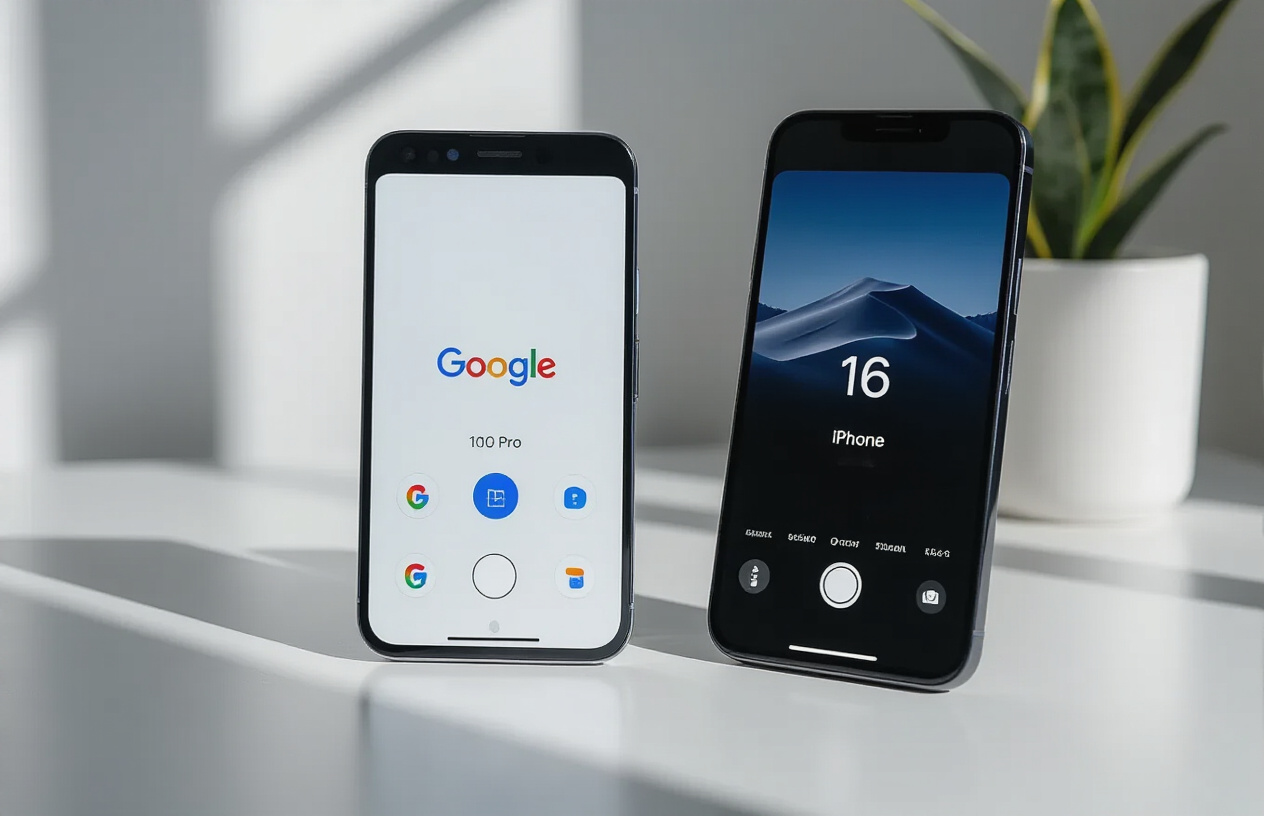
The iPhone 16 camera takes the crown for pure simplicity. Apple's camera interface remains clean and uncluttered, with all essential controls within thumb's reach. The familiar swipe gestures for switching between photo, video, and portrait modes feel second nature, even for first-time users. The camera app launches instantly from the lock screen with a simple swipe, making those spontaneous photo moments effortless.
Google's approach with the Pixel 10 Pro camera leans slightly more toward feature-rich functionality. While the interface is still user-friendly, Google packs more options into the main camera screen. The Magic Eraser, Night Sight, and Portrait modes are prominently displayed, but this can feel overwhelming for casual photographers. However, once you get familiar with the layout, these features become incredibly accessible.
Both phones excel at automatic scene detection, but they handle it differently. The iPhone 16 quietly adjusts settings in the background, while the Pixel 10 Pro often suggests specific shooting modes through helpful pop-ups.
Pro mode features and manual settings
Professional photographers will find more granular control options in the Pixel 10 Pro vs iPhone 16 comparison. Google provides comprehensive manual controls including ISO adjustment (50-6400), shutter speed control (1/8000 to 8 seconds), and precise focus peaking. The histogram display and RAW file support make the Pixel 10 Pro a serious tool for mobile photography enthusiasts.
The iPhone 16 keeps manual controls more streamlined. While you can adjust exposure and focus manually, accessing advanced settings requires diving into third-party apps. Apple's computational photography approach means most users won't need these manual controls, but power users might feel limited.
| Feature | Pixel 10 Pro | iPhone 16 |
|---|---|---|
| Manual ISO Control | ✓ (50-6400) | ✗ |
| Shutter Speed Control | ✓ (1/8000-8s) | ✗ |
| Focus Peaking | ✓ | ✗ |
| RAW Support | ✓ | ✓ |
| Histogram | ✓ | ✗ |
Speed of camera launch and photo capture
Camera launch speeds reveal interesting differences in the smartphone camera performance between these devices. The iPhone 16 consistently launches its camera app in under 0.8 seconds from the lock screen, with zero lag when switching between lenses. The dedicated Camera Control button on the iPhone 16 provides instant access, making it incredibly responsive for quick shots.
The Pixel 10 Pro takes approximately 1.2 seconds to fully load the camera app, though this includes loading all the AI-powered features in the background. Once launched, the shutter response is nearly instantaneous, but switching between camera modes occasionally shows brief delays as Google's computational photography algorithms kick in.
Photo processing reveals another key difference. The iPhone 16 displays photos immediately after capture, while the Pixel 10 Pro sometimes shows a "processing" indicator for 2-3 seconds, especially when using Night Sight or Magic Eraser features. This processing time pays off in image quality, but it can slow down rapid-fire photography sessions.
Price-to-Performance Value Analysis
Camera quality relative to device pricing
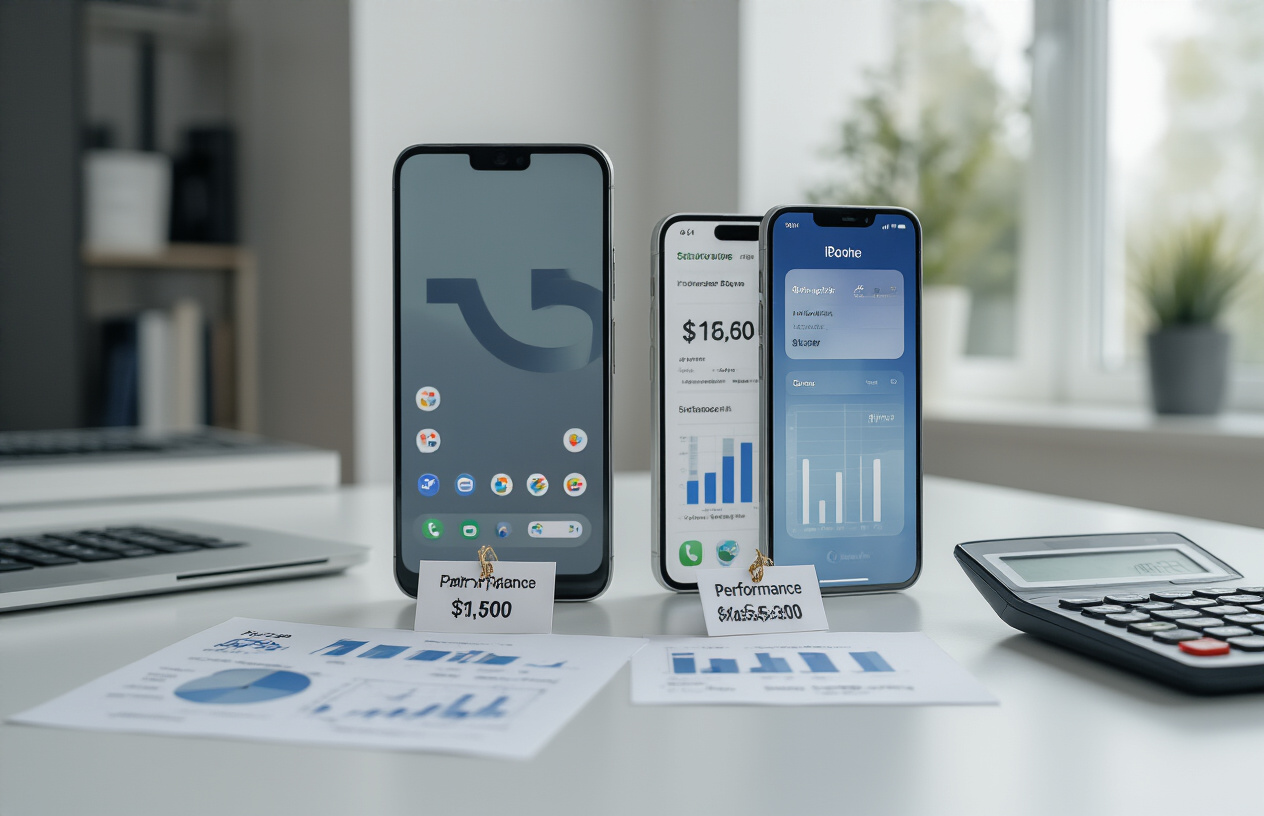
The Google Pixel 10 Pro vs iPhone 16 debate becomes particularly interesting when you examine what you're getting for your money. The Pixel 10 Pro typically launches at around $899, while the iPhone 16 starts at $799 for the base model. However, direct price comparisons can be misleading since these phones offer different storage configurations and features.
When you break down the best smartphone camera 2024 offerings per dollar spent, the Pixel 10 Pro delivers exceptional computational photography capabilities that often rival or exceed more expensive devices. Google's AI-driven features like Magic Eraser, Real Tone, and advanced Night Sight come standard, providing professional-level editing tools without additional subscriptions.
The iPhone 16, while slightly more affordable upfront, requires users to invest in the Pro models ($999+) to access the most advanced camera features like ProRAW and enhanced telephoto capabilities. This pricing strategy means serious photography enthusiasts might end up spending more on Apple's ecosystem to match the Pixel's computational photography prowess.
| Feature | Pixel 10 Pro ($899) | iPhone 16 ($799) | iPhone 16 Pro ($999) |
|---|---|---|---|
| Night Photography | Advanced Night Sight | Standard Night Mode | Enhanced Night Mode |
| AI Photo Editing | Built-in Magic Eraser | Basic editing tools | Advanced editing suite |
| RAW Photography | Standard | Not available | ProRAW |
Long-term software support and updates
Google promises seven years of software updates for the Pixel 10 Pro, matching Apple's historically strong update cycle. This extended support significantly impacts the smartphone camera performance over time, as both companies regularly introduce new camera features through software updates.
Apple's track record shows consistent camera improvements through iOS updates, often bringing features from newer phones to older models. The iPhone 16 benefits from this ecosystem approach, receiving new computational photography features and camera app enhancements for years after purchase.
The Pixel 10 Pro's update promise is relatively new territory for Google, but early signs suggest robust support for camera feature rollouts. Google's advantage lies in their direct control over both hardware and software optimization, allowing for more aggressive camera AI improvements through updates.
Both phones receive monthly security patches, but Google's faster deployment of new camera features gives the Pixel 10 Pro a slight edge for photography enthusiasts who want cutting-edge capabilities as soon as they're available.
Overall value proposition for photography enthusiasts
For serious mobile photographers, the Pixel vs iPhone camera quality decision hinges on shooting style and ecosystem preferences. The Pixel 10 Pro offers superior value for users who prioritize computational photography, social media sharing, and automated enhancements. Its AI-driven approach means beginners can capture professional-looking shots with minimal effort.
Photography enthusiasts who prefer manual control and post-processing flexibility might find better value in the iPhone 16 Pro, despite the higher price point. Apple's ecosystem integration with professional editing software and seamless workflow between devices justifies the premium for many users.
The Pixel 10 Pro excels in specific scenarios like low-light photography and portrait shots, delivering results that often require expensive equipment on other platforms. For users who frequently shoot in challenging conditions, this specialization provides excellent value.
Consider your photography habits: casual shooters and social media enthusiasts will find exceptional value in the Pixel 10 Pro's automated excellence, while traditional photographers who value control and ecosystem integration might prefer investing in Apple's more expensive but comprehensive camera system.
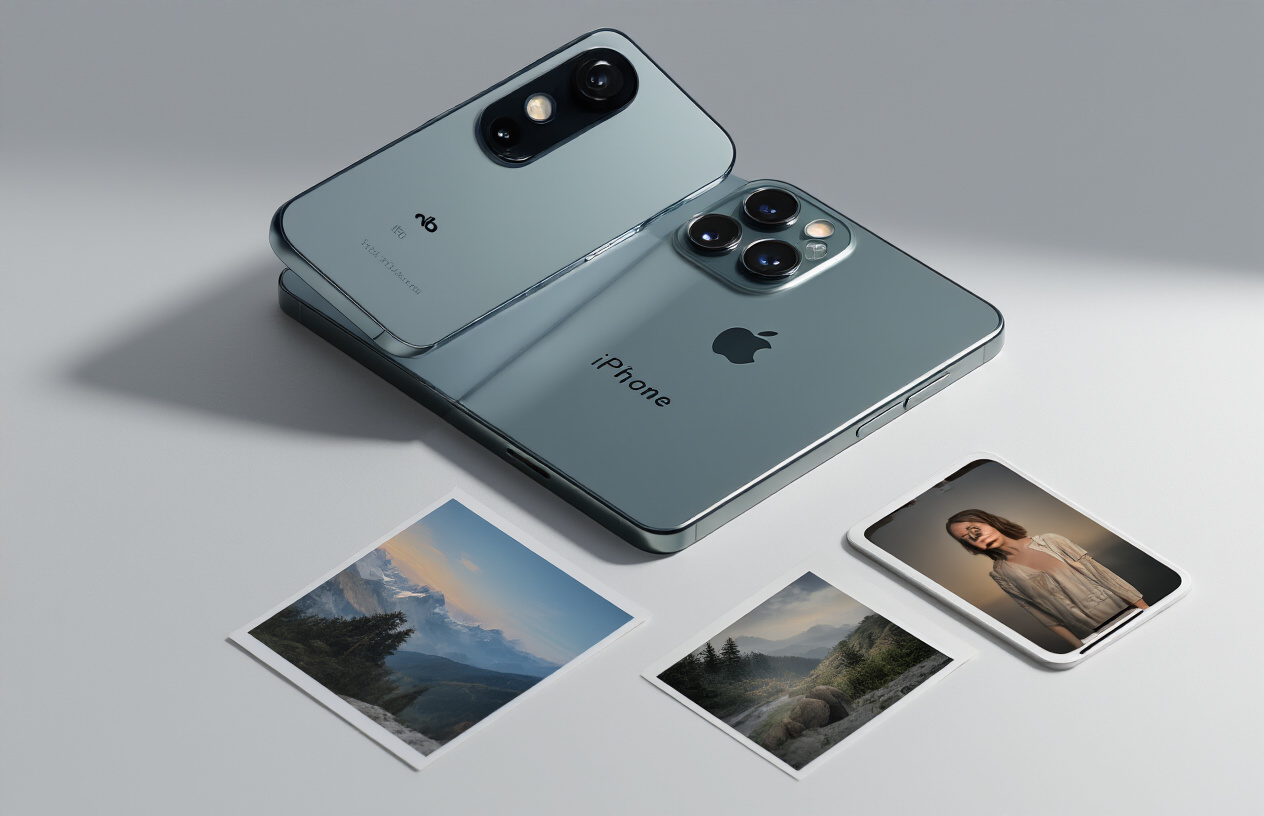
The camera battle between the Google Pixel 10 Pro and iPhone 16 comes down to your personal shooting style and priorities. Google's computational photography continues to shine with its impressive low-light performance and AI-powered features, while Apple delivers consistent results across all lighting conditions with a more intuitive camera app. The Pixel 10 Pro edges ahead in specialized scenarios like night photography and portrait mode, but the iPhone 16 maintains its reputation for reliable, true-to-life colors that require minimal editing.
When it comes to value, both phones justify their premium pricing through different strengths. If you love experimenting with photography and want cutting-edge AI features, the Pixel 10 Pro offers more bang for your buck. However, if you prefer a seamless shooting experience with consistent results every time, the iPhone 16's camera system won't disappoint. Your choice should depend on whether you prioritize innovative features or reliable performance in your daily photography needs.



0 Comments