Best Smart Devices for Home Security
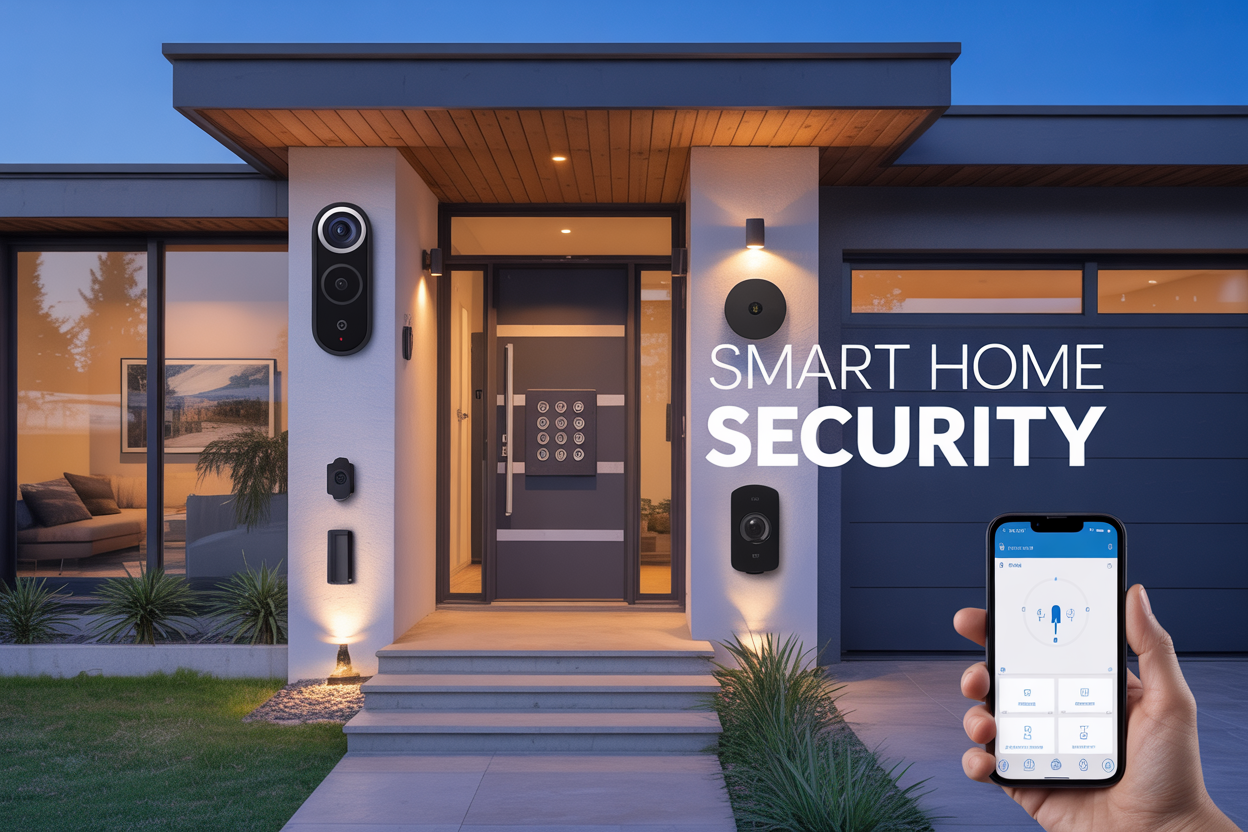
Home security has never been smarter or more accessible than it is today. If you're a homeowner looking to protect your family and property without breaking the bank or dealing with complicated installations, smart home security devices offer the perfect solution. These wireless systems give you complete control from your smartphone, whether you're at work, on vacation, or just upstairs in bed.
This guide targets homeowners, renters, and anyone wanting to upgrade their home security systems in 2024. You don't need to be tech-savvy to benefit from these devices – most connect to your Wi-Fi and work right out of the box.
We'll walk you through the best home security cameras that deliver crystal-clear footage day and night, smart door locks that ditch the key for fingerprint and app-based access, and motion detection sensors that send instant alerts to your phone. You'll also discover how smart doorbell cameras, window sensors, and coordinated alarm systems work together to create a comprehensive home automation security network that keeps intruders out and gives you peace of mind.
Smart Cameras That Provide Crystal Clear Monitoring
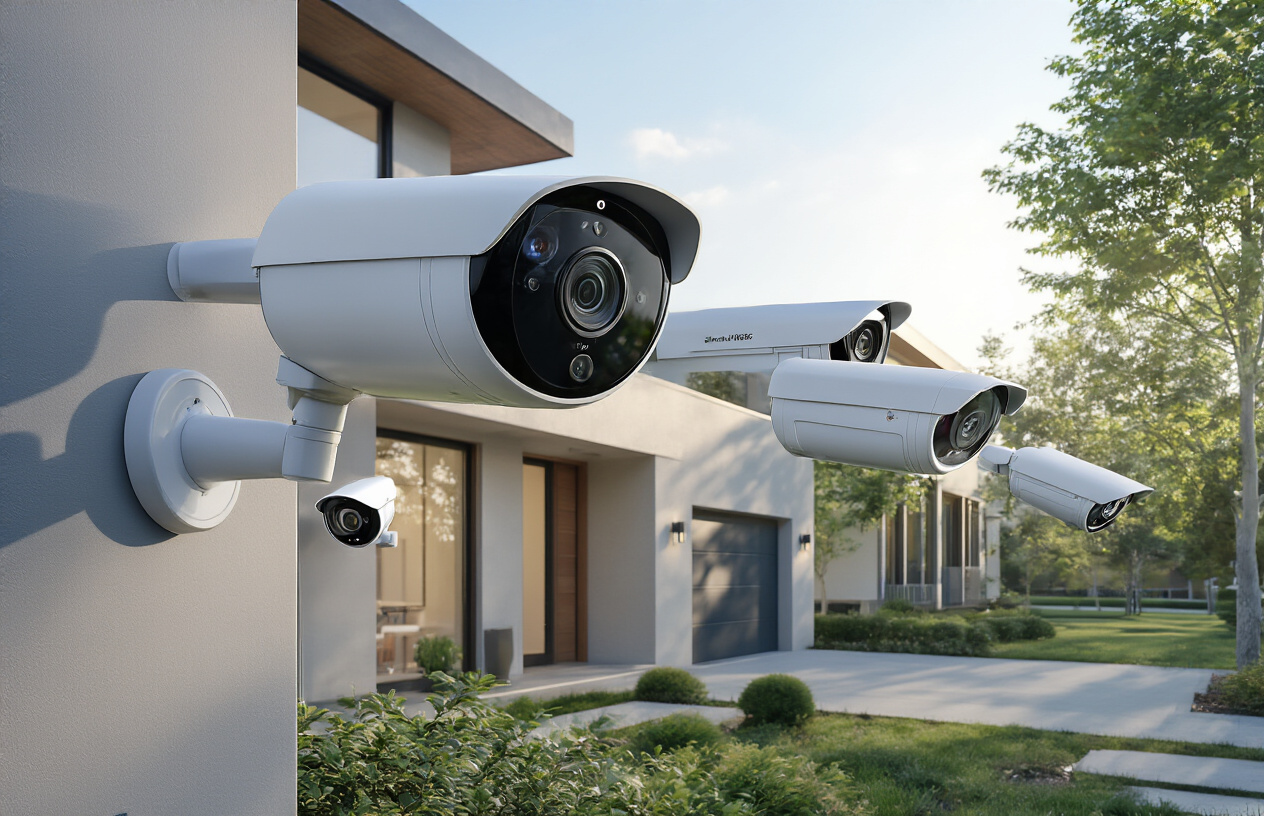
Indoor Security Cameras with Night Vision Technology
Modern indoor smart home security devices pack incredible technology into compact designs that blend seamlessly with your home decor. Night vision capabilities have become standard across most models, using infrared LEDs to capture clear footage even in complete darkness. The best home security cameras for indoor use typically offer 1080p or 4K resolution, ensuring you can identify faces and details even when viewing footage later.
Two-way audio features let you communicate with family members or pets remotely, while motion tracking automatically follows movement throughout the room. Many models include privacy shutters that physically block the camera lens when you're home, addressing common concerns about always-on surveillance devices.
Popular options like the Wyze Cam v3 and Arlo Essential Indoor Camera deliver professional-grade monitoring at consumer-friendly prices. These cameras integrate with smart home ecosystems, allowing voice control through Alexa or Google Assistant.
Outdoor Weatherproof Cameras for Perimeter Protection
Protecting your property's exterior requires cameras built to withstand harsh weather conditions while maintaining reliable performance year-round. Wireless security cameras designed for outdoor use feature IP65 or IP66 ratings, meaning they're completely sealed against dust and can handle heavy rain or snow without compromise.
Solar-powered options eliminate the need for electrical wiring, making installation flexible and cost-effective. These cameras often include color night vision technology that captures detailed footage in low-light conditions without the stark black-and-white appearance of traditional infrared systems.
Advanced models offer vehicle and person detection, reducing false alerts from swaying trees or passing animals. Cloud storage options ensure footage remains safe even if someone attempts to tamper with or steal the camera itself.
| Feature | Indoor Cameras | Outdoor Cameras |
|---|---|---|
| Weather Rating | Not required | IP65/IP66 |
| Power Options | AC adapter | Battery/Solar/Wired |
| Night Vision | Infrared | Color/Infrared |
| Installation | Plug-and-play | Mounting required |
Doorbell Cameras That Screen Visitors Before Entry
Smart doorbell cameras have revolutionized how we handle visitors, package deliveries, and unexpected guests. These devices replace traditional doorbells while adding powerful security features that work 24/7. High-definition video streaming lets you see who's at your door from anywhere in the world through smartphone apps.
Motion detection zones can be customized to avoid triggering notifications when cars pass by while still alerting you to people approaching your entrance. Pre-recorded quick responses let you communicate with delivery drivers or visitors even when you can't answer in real-time.
Ring Video Doorbell and Nest Hello lead the market with reliable performance and extensive smart home integration. These devices often include cloud storage for recorded footage and can trigger other security devices when motion is detected.
Package theft protection features send instant alerts when deliveries arrive, while some models can distinguish between people, packages, and vehicles for more precise notifications.
Pan-Tilt-Zoom Cameras for Complete Area Coverage
PTZ cameras offer the most comprehensive coverage by allowing remote control over camera positioning and zoom levels. These home security systems 2024 models can rotate 360 degrees horizontally and tilt up to 90 degrees vertically, eliminating blind spots that fixed cameras might miss.
Automated patrol features program the camera to scan predetermined areas on schedules you set, while motion tracking automatically follows detected movement. Digital zoom capabilities up to 12x magnification let you examine details like license plates or facial features clearly.
Professional-grade PTZ cameras include preset positions that instantly move the camera to specific locations at the touch of a button. This proves invaluable when monitoring large properties or areas with multiple points of interest.
Smart detection algorithms can differentiate between humans, vehicles, and animals, sending appropriate alerts based on your preferences. Some models even include audio analysis that can detect breaking glass or raised voices, adding another layer of security monitoring beyond visual surveillance.
Motion Detection Systems That Alert You Instantly
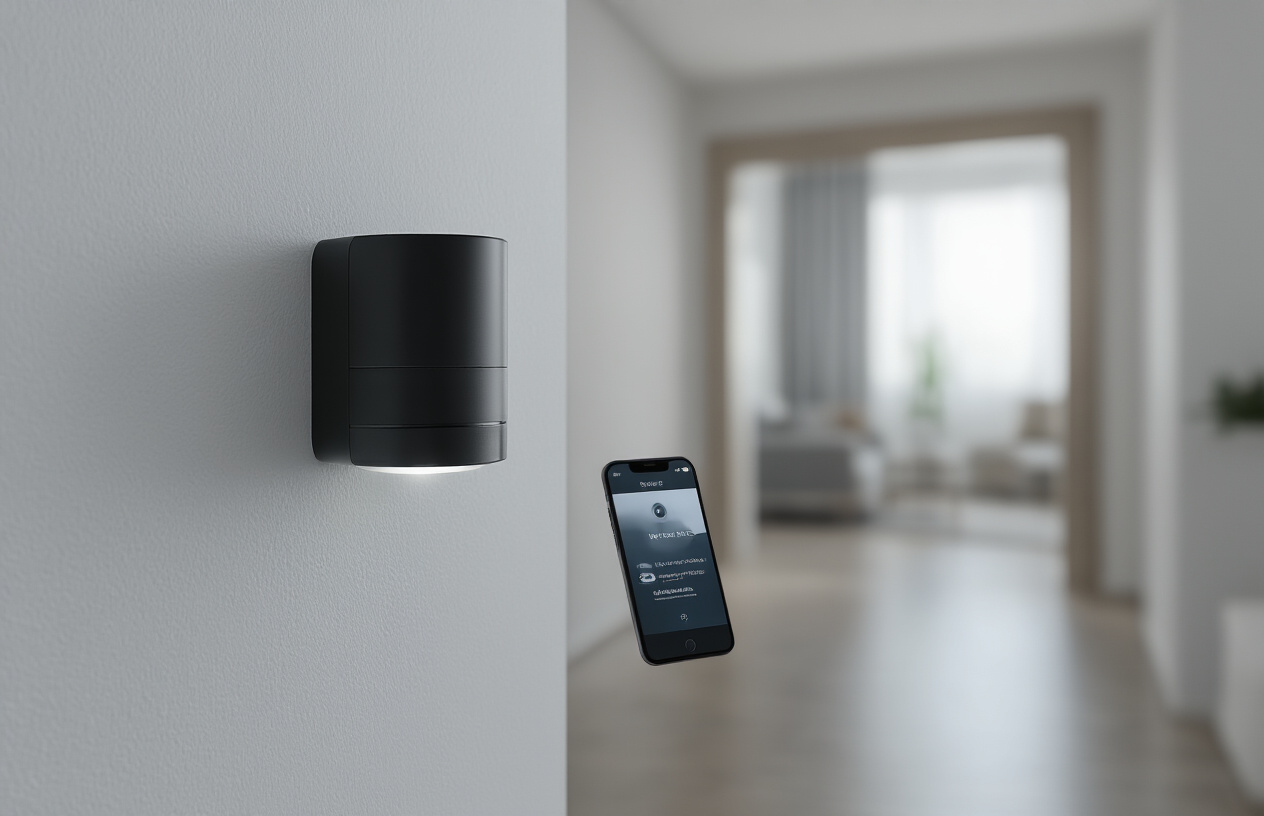
PIR Motion Sensors for Energy-Efficient Detection
PIR (Passive Infrared) sensors detect heat signatures from moving objects, making them incredibly effective for home security while consuming minimal power. These motion detection sensors work by monitoring changes in infrared radiation, which means they can spot intruders without requiring continuous power consumption like traditional camera systems.
Most PIR sensors can run for months on a single battery charge, making them perfect for wireless installations in areas without easy access to power outlets. They're particularly effective in hallways, stairwells, and outdoor pathways where you want reliable detection without the ongoing electricity costs.
The detection range varies by model, but quality PIR sensors typically cover 25-30 feet with a 110-degree field of view. Some advanced models offer adjustable sensitivity settings, allowing you to fine-tune detection based on your specific environment and reduce unwanted triggers from small animals or moving branches.
Smart Motion Detectors with Phone Notifications
Modern smart home security devices have transformed motion detection into an instant communication system. When movement is detected, these sensors immediately send push notifications to your smartphone, often including photos or video clips of what triggered the alert.
Leading brands offer motion detectors that integrate seamlessly with existing smart alarm systems, creating a comprehensive security network. These devices typically connect via Wi-Fi or Z-Wave protocols, ensuring reliable communication with your home's security hub.
Many smart motion detectors include customizable alert schedules, so you won't receive notifications when you're home during normal hours. Some models even use machine learning to distinguish between different types of movement patterns, reducing false alarms while maintaining high sensitivity for actual security threats.
Pet-Friendly Motion Sensors That Avoid False Alarms
Pet-immune motion detectors solve one of the biggest headaches in home security systems. These specialized sensors use dual-element PIR technology combined with microwave detection to differentiate between pets and potential intruders based on size, heat signature, and movement patterns.
Most pet-friendly sensors can ignore animals up to 40-85 pounds, depending on the model's specifications. They achieve this through strategic positioning and advanced algorithms that analyze movement speed, height, and heat distribution patterns.
Installation height plays a crucial role in effectiveness. Mount these sensors 7-8 feet high and angle them slightly downward to create a detection pattern that captures human-sized movement while allowing pets to move freely underneath. This positioning prevents your dog or cat from triggering constant false alarms while maintaining complete security coverage for actual threats.
Smart Locks That Eliminate Traditional Key Vulnerabilities
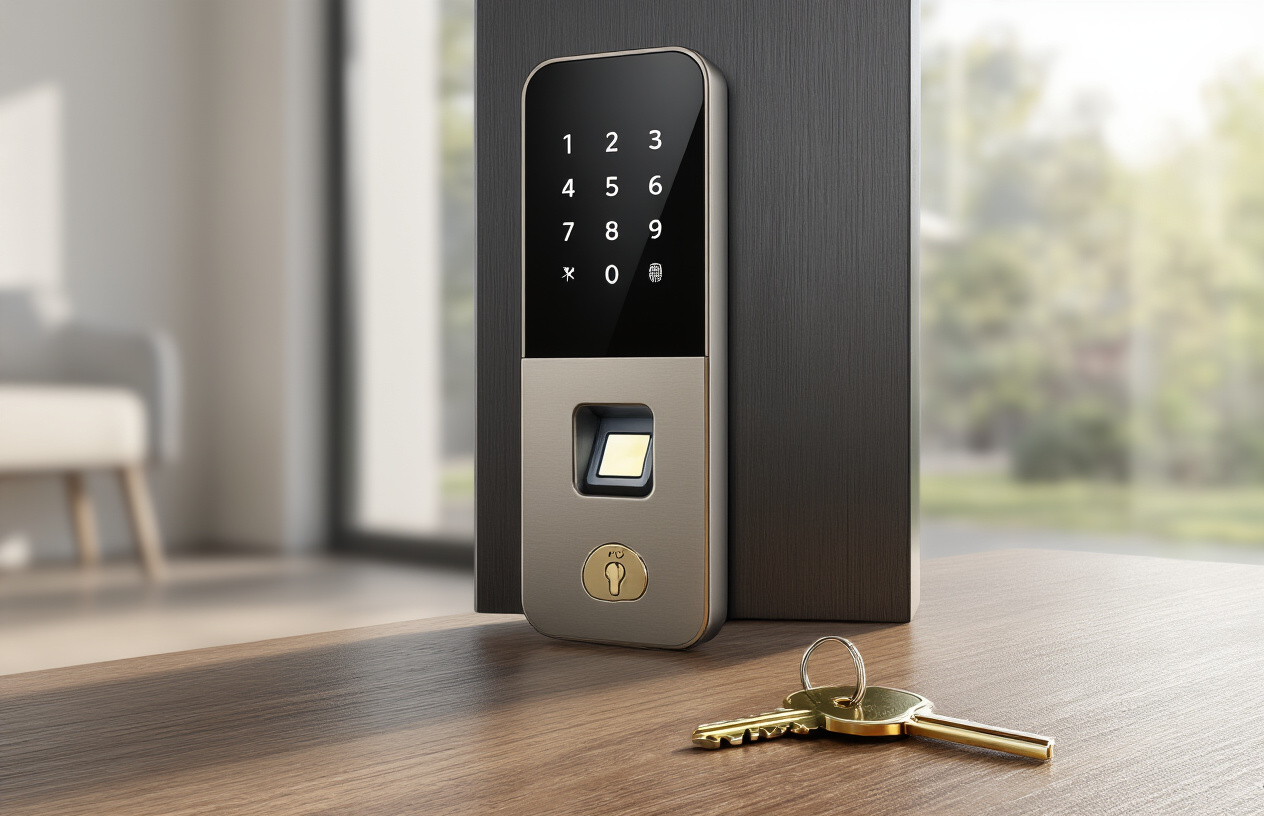
Keypad Entry Locks for Secure Access Control
Keypad entry smart door locks transform your home security by removing the biggest weakness in traditional security – lost or stolen keys. These smart door locks feature numeric keypads that let you create unique access codes for family members, trusted friends, or service providers. You can easily change codes whenever needed, making them perfect for homes with frequent visitors or when someone moves out.
Most keypad smart locks allow you to program multiple user codes, with premium models supporting 50 or more individual combinations. You can assign temporary codes for guests that automatically expire after a set time, or create permanent codes for family members. Some models even track which code was used and when, giving you a complete picture of who enters your home.
The best keypad locks include features like auto-lock timers that secure your door after a few minutes, and wrong-code lockout protection that temporarily disables the keypad after multiple incorrect attempts. Battery life typically lasts 6-12 months with regular use, and most units provide low-battery warnings well in advance.
Biometric Locks Using Fingerprint Recognition
Fingerprint smart locks represent the cutting edge of home security systems 2024, offering unmatched convenience and security. These biometric locks eliminate the need for codes, keys, or smartphones – your finger becomes the key. Modern fingerprint locks can store dozens of fingerprints, making them ideal for busy households.
The technology has advanced dramatically, with current models featuring 360-degree fingerprint recognition that works regardless of finger placement angle. Most quality units can identify registered fingerprints in under one second, even with wet or slightly dirty fingers. Advanced algorithms continuously learn and adapt to minor changes in your fingerprints over time.
Security-wise, biometric locks are nearly impossible to duplicate or hack. Each person's fingerprint is completely unique, and the encrypted biometric data stored in the lock can't be reverse-engineered into an actual fingerprint image. Many models combine fingerprint recognition with backup access methods like keypads or physical keys for extra reliability.
Smartphone-Controlled Locks for Remote Management
Smartphone-controlled smart door locks bring unprecedented flexibility to home security, allowing you to lock or unlock your door from anywhere in the world. These locks connect to your Wi-Fi network and work through dedicated mobile apps that provide real-time status updates and complete access control.
The remote management capabilities are game-changing for busy homeowners. You can unlock the door for delivery drivers while at work, let in house cleaners or maintenance workers, or help family members who forgot their keys. Most apps send instant notifications whenever the lock is operated, keeping you informed of all entry activity.
Advanced smartphone locks offer geofencing features that automatically lock or unlock based on your location. As you approach home, the lock can detect your phone's proximity and unlock automatically. When you leave, it can secure the door behind you. These smart home security devices often integrate with popular home automation platforms like Alexa, Google Home, and Apple HomeKit for voice control.
Backup Power Smart Locks That Never Fail
Battery reliability is crucial for smart door locks, and the best models include multiple power backup options to prevent lockouts. Most smart locks run on standard AA or lithium batteries that last 6-12 months, but premium models offer additional power security features.
Emergency power options include external battery terminals that let you power the lock with a 9V battery if the internal batteries die completely. Some locks feature USB-C charging ports for emergency power from portable battery packs or phone chargers. The most advanced models include supercapacitor backup systems that store enough power for several emergency unlocks even when batteries are completely drained.
Smart power management extends battery life through sleep modes, motion-activated wake features, and low-power communication protocols. Many locks provide battery status through their mobile apps, sending alerts when power drops below 20%. Some even estimate remaining battery life based on usage patterns, helping you plan battery replacements before emergencies occur.
Window and Door Sensors That Secure Every Entry Point
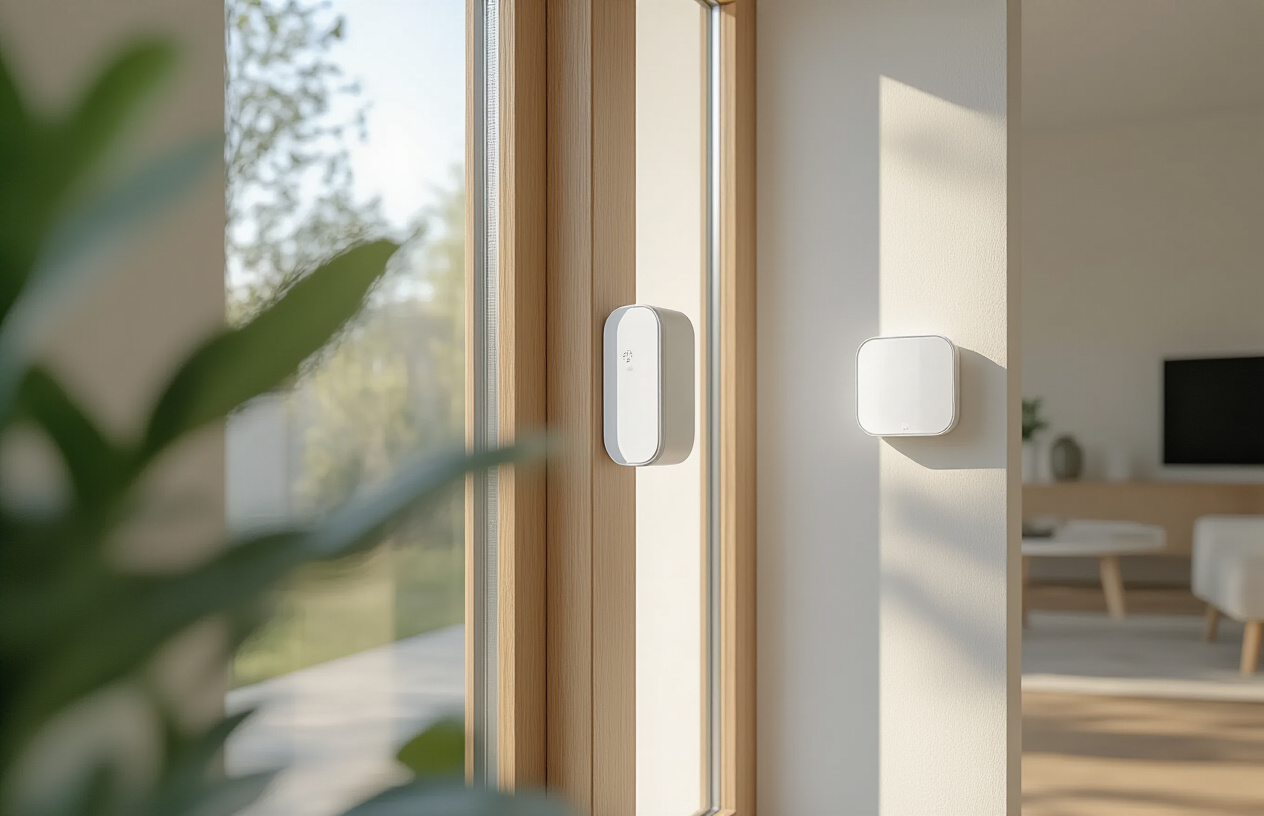
Magnetic Contact Sensors for Immediate Breach Detection
Magnetic contact sensors work like digital sentries, constantly monitoring whether doors and windows stay properly closed. These smart window sensors consist of two parts: a magnet attached to the moving part of your door or window, and a sensor mounted on the frame. When someone opens the protected entry point, the magnetic connection breaks and instantly triggers an alert to your smartphone.
The beauty of these sensors lies in their simplicity and reliability. Unlike complex motion detection sensors that might get confused by pets or moving curtains, magnetic contacts deliver crystal-clear binary information - either your door is closed or it isn't. Most modern versions connect seamlessly to your existing smart home security devices, creating a comprehensive network that keeps you informed about every access point.
Installation takes just minutes with adhesive backing or small screws. The sensors work with virtually any door or window type, from sliding patio doors to basement casement windows. Many homeowners start with these affordable devices before expanding to more sophisticated home security systems 2024.
Glass Break Sensors That Detect Forced Entry Attempts
Glass break sensors add another layer of protection by listening for the specific sound frequency that occurs when glass shatters. These acoustic sensors can distinguish between the sound of breaking glass and other household noises like dropping dishes or slamming doors.
Modern glass break detectors use advanced audio analysis to identify the unique acoustic signature of breaking window glass. They typically monitor frequencies between 100Hz and 15kHz, focusing on the sharp, high-frequency crack followed by the tinkling sound of falling glass fragments.
Strategic placement matters significantly with these devices. A single sensor can monitor multiple windows within a 25-foot radius, making them cost-effective for protecting large rooms with several windows. Mount them on walls or ceilings opposite the windows you want to protect, ensuring clear line-of-sight for optimal sound detection.
These sensors integrate perfectly with smart alarm systems, immediately notifying you and your monitoring service when someone attempts forced entry through glass breaking.
Wireless Sensors with Long Battery Life
Battery-powered wireless sensors have revolutionized home security by eliminating the need for complex wiring throughout your house. Today's smart home security devices feature impressive power management, with many sensors running 2-3 years on a single battery charge.
Modern wireless sensors use low-power protocols like Z-Wave or Zigbee, which consume minimal energy while maintaining reliable communication with your central hub. These protocols also create mesh networks, where each device helps extend the signal range throughout your home.
Look for sensors with battery level monitoring that sends alerts when power runs low. Many models use standard AA or CR123 batteries available at any store, while others feature rechargeable lithium batteries. Some premium options include solar charging capabilities for outdoor installations.
The wireless advantage extends beyond convenience - these sensors can be moved easily as your security needs change, and they continue working during power outages when wired systems might fail.
Smart Alarm Systems That Coordinate Your Entire Security Network
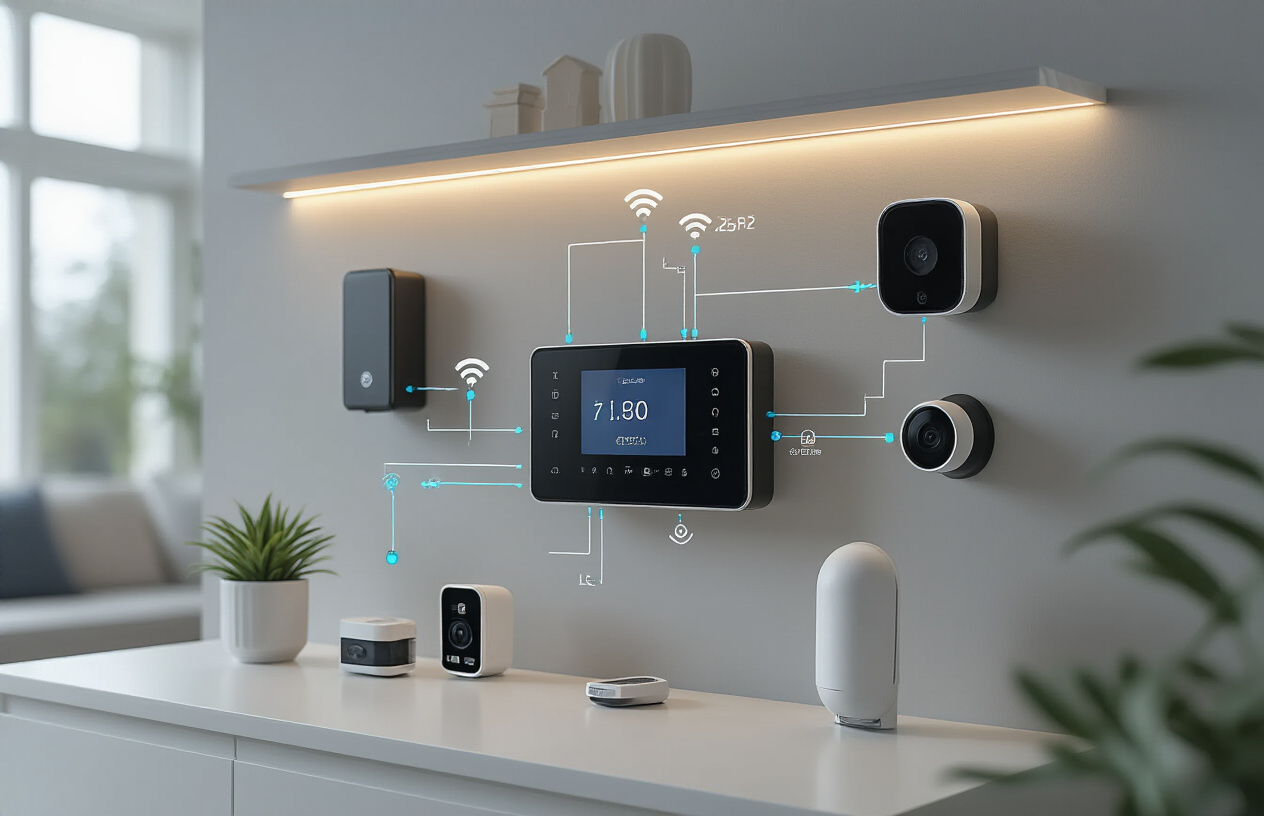
Hub-Based Systems That Connect All Devices
Modern smart alarm systems act as the central nervous system of your home security setup, bringing together cameras, sensors, door locks, and motion detectors under one unified platform. These hub-based systems create seamless communication between all your smart home security devices, eliminating the frustration of managing multiple apps and ensuring your entire security network responds as one cohesive unit.
Popular options like Ring Alarm Pro, ADT Command, and SimpliSafe base stations excel at device integration. When your window sensor detects a breach, the hub instantly triggers your cameras to start recording, activates your smart lights, and sends alerts to your phone. This coordinated response happens in seconds, giving you comprehensive coverage that individual devices simply can't match.
The beauty of these centralized systems lies in their ability to create custom automation rules. You can program your system so that when motion is detected at your front door after 10 PM, your outdoor cameras begin recording, porch lights turn on, and you receive an immediate notification with live video feed.
Self-Monitoring Systems That Save Monthly Fees
Self-monitoring smart alarm systems offer complete control over your home security without the ongoing expense of professional monitoring services. These systems put you in the driver's seat, sending alerts directly to your smartphone when sensors are triggered, allowing you to assess situations and respond accordingly.
Companies like SimpliSafe, Ring, and Abode provide robust self-monitoring options that can save homeowners $20-50 monthly compared to professionally monitored alternatives. You receive instant notifications through mobile apps, email, or text messages when doors open, motion is detected, or alarms are triggered.
The key advantage goes beyond cost savings. Self-monitoring gives you complete privacy control since no third-party monitoring center receives your alerts or has access to your camera feeds. You decide who to contact during emergencies, whether that's local police, family members, or neighbors.
These systems typically include backup cellular communication, ensuring alerts reach you even during internet outages. Many self-monitoring platforms also offer optional professional monitoring that you can activate temporarily, such as during vacations, giving you flexibility to scale your security response based on your needs.
Professional Monitoring Services for 24/7 Protection
Professional monitoring services provide round-the-clock surveillance of your smart alarm systems, ensuring trained security professionals respond to alerts even when you're unavailable. These services add an extra layer of protection by having certified operators verify alarms and contact emergency services on your behalf.
Leading monitoring companies like ADT, Vivint, and Frontpoint maintain fully staffed monitoring centers that operate 24/7, 365 days per year. When your system triggers an alarm, operators receive the signal within seconds and begin verification procedures. They'll attempt to contact you first, then reach out to your emergency contacts, and finally dispatch police or fire services if needed.
The response protocols vary by provider, but most follow similar verification steps to reduce false alarms. Operators can access live camera feeds (with permission) to visually confirm emergencies, check multiple sensors to verify legitimate threats, and communicate with smart speakers or two-way communication devices installed in your home.
Professional monitoring becomes particularly valuable during medical emergencies, break-ins while you're sleeping, or situations where you're unable to respond to your phone. Many services also include fire and carbon monoxide monitoring, flood detection alerts, and medical emergency response through panic buttons or wearable devices.
Monthly costs typically range from $15-60, depending on the level of service and additional features like cellular backup communication and smart home integration.
Mobile Apps That Put Control in Your Hands
Smart alarm system mobile apps transform your smartphone into a comprehensive security command center, giving you instant access to arm/disarm your system, view live camera feeds, and receive real-time alerts no matter where you are in the world.
These apps go far beyond basic control functions. You can create custom schedules for automatic arming and disarming, set up geofencing that arms your system when you leave home, and receive detailed activity logs showing exactly when doors opened, motion was detected, or sensors were triggered.
Real-time notifications include rich media content like photo snapshots from cameras, specific sensor information, and timestamp details. Many apps allow you to customize alert settings, choosing which events trigger notifications and setting quiet hours to avoid middle-of-the-night alerts for non-emergency activities.
Advanced features include two-way audio communication through doorbell cameras and indoor devices, remote door lock control, smart light management, and the ability to share access with family members or trusted friends. Some apps integrate with voice assistants, letting you check system status or arm your security system using voice commands.
The best mobile apps maintain fast connectivity and reliable performance, ensuring critical security alerts reach you without delays. Look for apps that work seamlessly across iOS and Android platforms and offer offline functionality for basic controls when internet connectivity is limited.
Backup Communication Methods During Internet Outages
Internet outages shouldn't leave your home security system blind and silent. Smart alarm systems with backup communication methods ensure continuous protection even when your primary internet connection fails, maintaining the ability to send alerts and communicate with monitoring centers.
Cellular backup communication serves as the most reliable secondary connection method. Systems equipped with built-in cellular modules automatically switch to mobile networks when they detect internet failures. This seamless transition happens within seconds, ensuring no gap in your security coverage.
Many modern smart alarm systems include dual-path communication, simultaneously using both internet and cellular connections for maximum reliability. This redundancy means that even if one communication method fails, your system continues operating normally through the backup connection.
Battery backup systems keep your security hub, cameras, and sensors operational during power outages that might accompany internet disruptions. Quality systems provide 8-24 hours of battery operation, giving you extended protection during extended outages.
Some advanced systems also incorporate landline telephone backup, though this option is becoming less common as cellular technology improves. The key is ensuring your chosen system includes at least one reliable backup method that doesn't depend on your home's internet connection, maintaining your security coverage when you need it most.
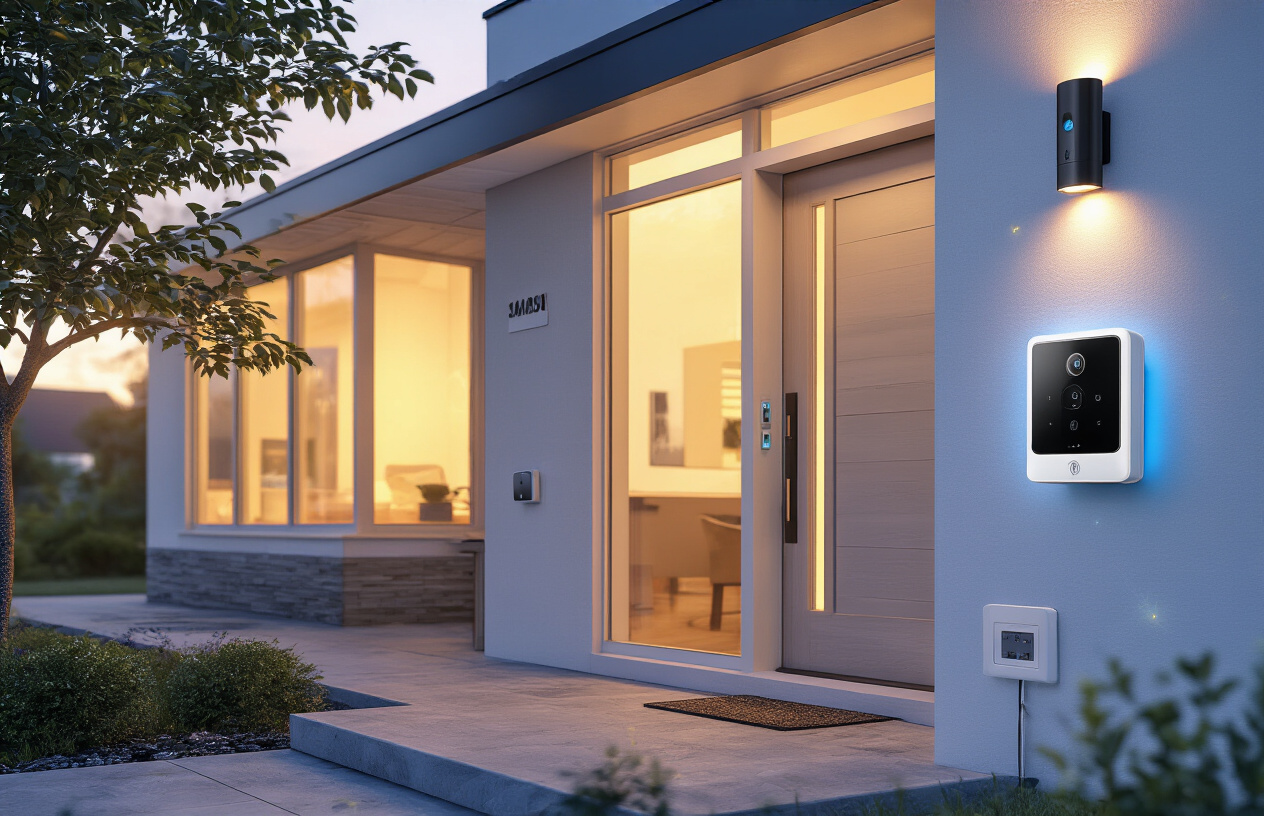
Smart home security technology has revolutionized how we protect our homes, giving us peace of mind whether we're at work or on vacation. From crystal-clear smart cameras that let you check in anytime to motion detectors that send instant alerts to your phone, these devices work together to create a comprehensive security network. Smart locks remove the worry of lost or copied keys, while window and door sensors make sure every possible entry point stays monitored around the clock.
The real magic happens when all these devices connect through a smart alarm system that brings everything together into one easy-to-use platform. You can control and monitor your entire home security setup from your smartphone, getting real-time updates and taking action immediately if something seems off. Start with one or two devices that address your biggest security concerns, then gradually build your system as you see how much safer and more connected your home becomes.



0 Comments